

Virtual Reality applications depend on immersion, performance, and interaction to deliver meaningful experiences. While hardware and software frameworks receive much of the attention, one critical factor is often underestimated: custom 3D assets. In VR, the quality and optimization of 3D models directly affect usability, realism, and system scalability.
This article explains why custom 3D assets matter in VR applications, how they influence performance and user experience, and why off-the-shelf models are rarely suitable for production-grade VR systems.
The Role of 3D Assets in VR Experiences
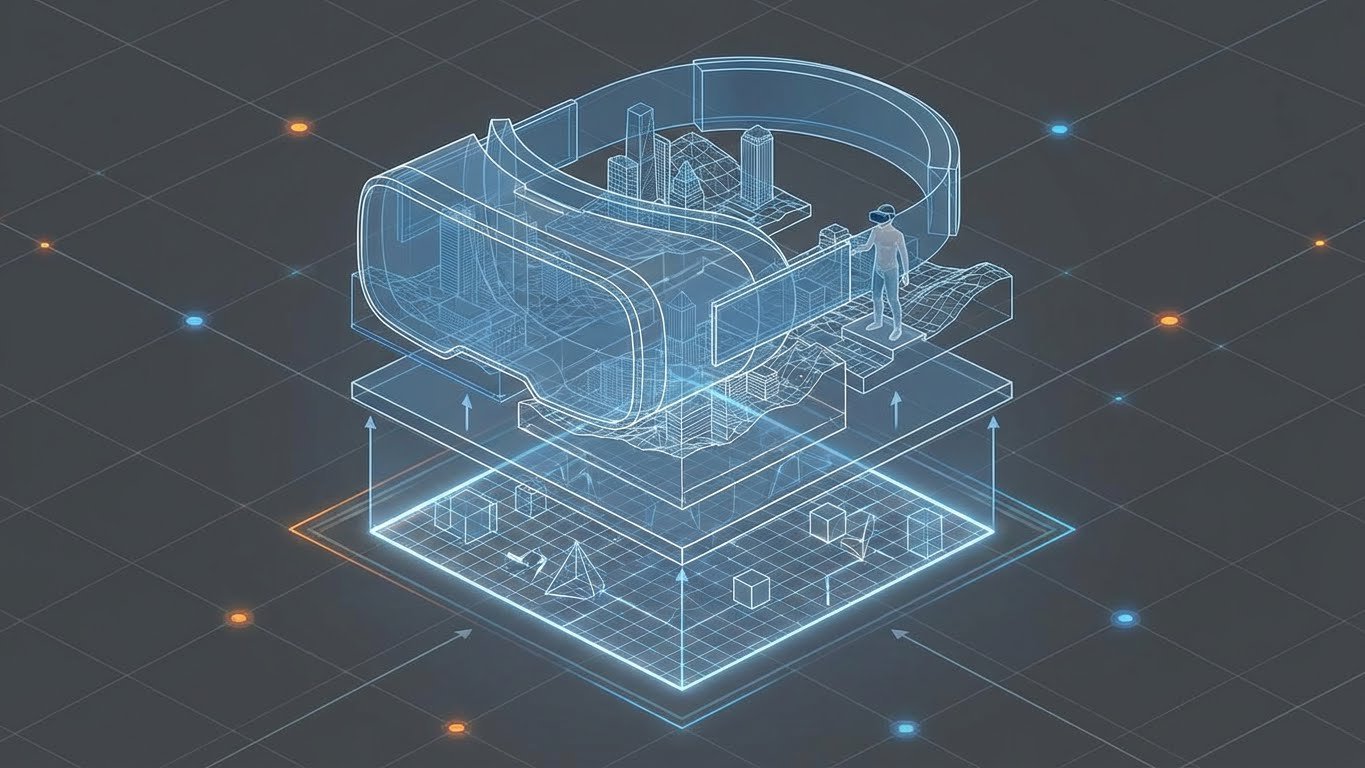
In VR, visuals are not decorative—they are the interface. Every object, environment, and interaction depends on 3D assets to convey scale, depth, and realism. Poorly designed assets can immediately break immersion and negatively impact comfort.
High-quality VR assets must perform efficiently in real time, maintain consistent scale, and support smooth interaction without causing visual or motion discomfort.
Why Stock 3D Models Fall Short in VR
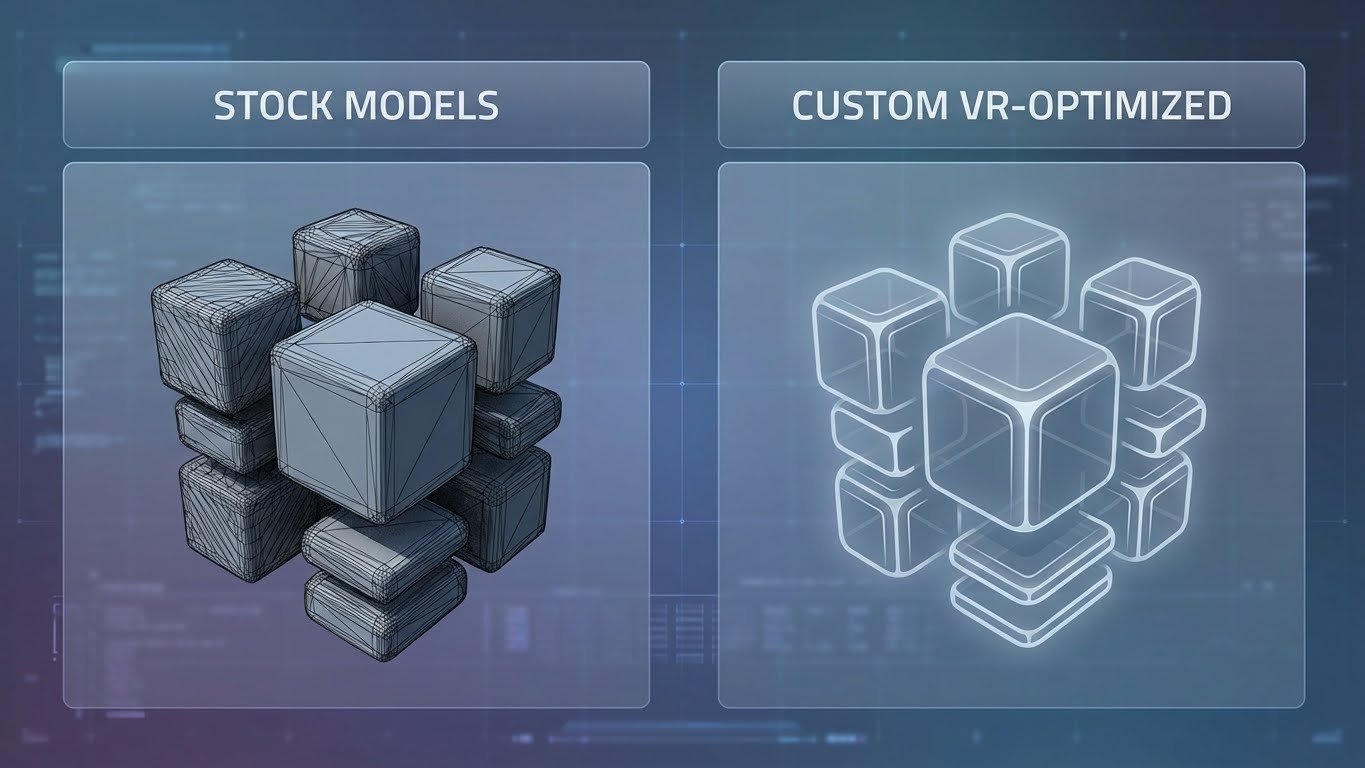 Stock or marketplace 3D models are often created for general use, not for VR-specific performance and interaction requirements. While visually appealing, they frequently introduce hidden technical issues.
Common problems include excessive polygon counts, inefficient topology, inconsistent scale, missing collision meshes, and textures that are not optimized for VR hardware.
Performance Optimization Is Essential in VR
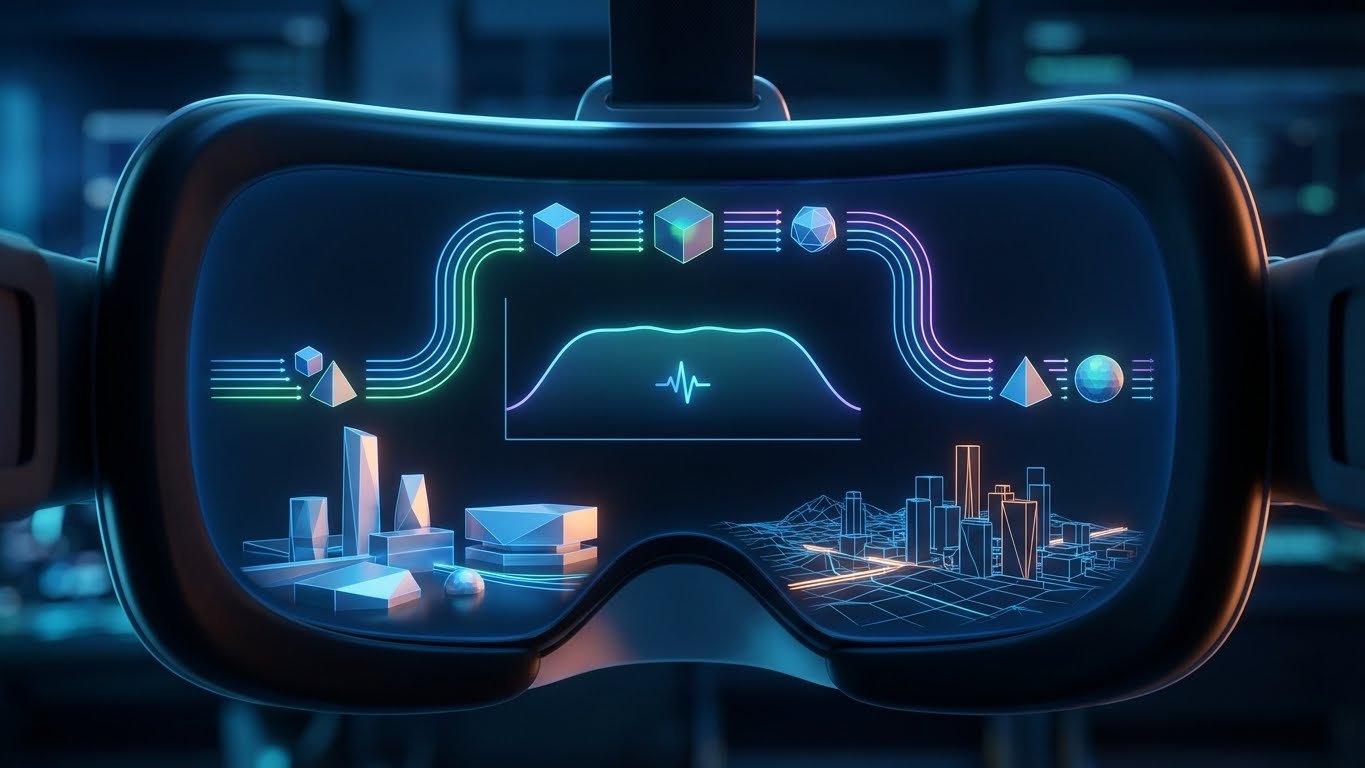 VR applications require high and stable frame rates to prevent discomfort and motion sickness. Custom 3D assets allow developers to optimize models specifically for the target VR platform, whether standalone headsets or PC-based systems.
Optimized assets reduce draw calls, support level-of-detail systems, and ensure consistent performance across devices.
Custom Assets Enable Better Interaction Design
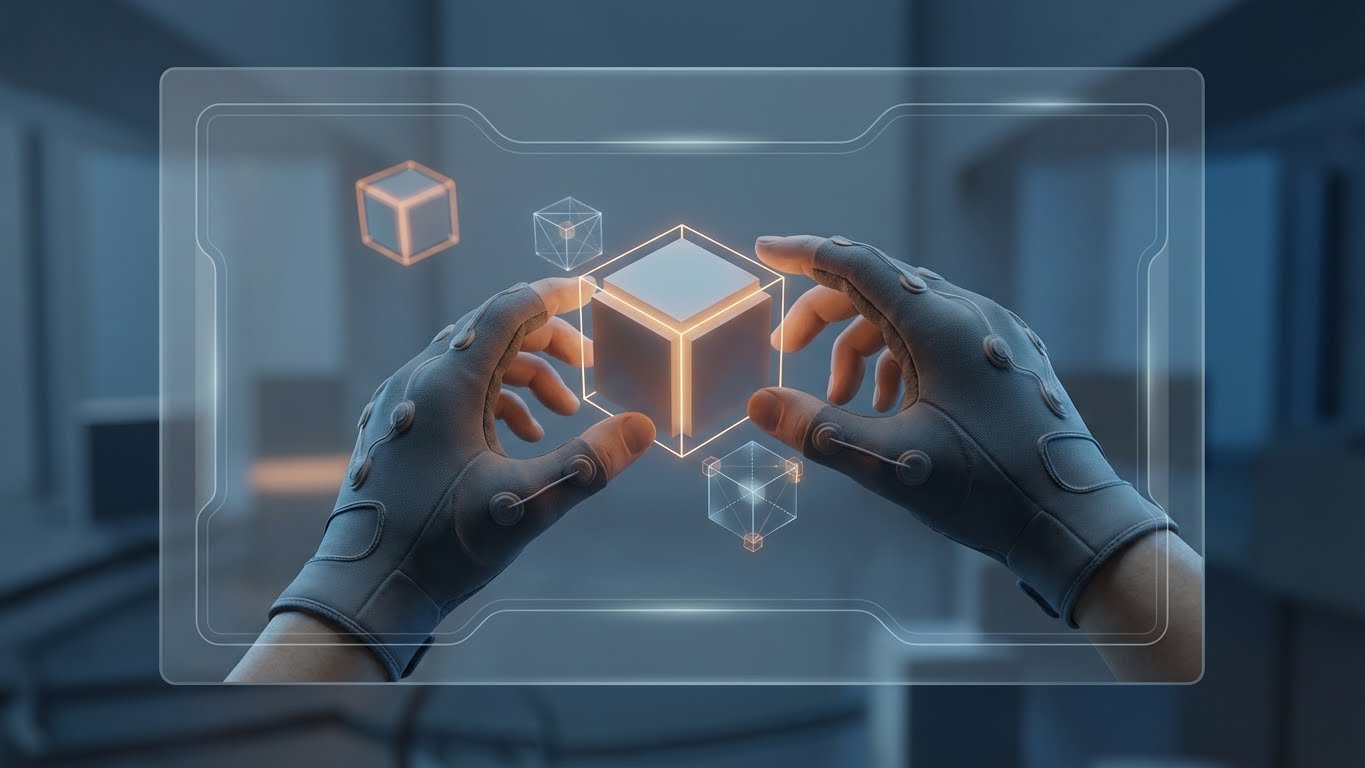 VR is inherently interactive. Custom 3D assets are designed with interaction in mind, enabling accurate collision detection, logical pivot points, realistic physics behavior, and reliable user feedback.
Without custom modeling, interactions often feel unnatural, reducing user confidence and engagement.
Branding, Accuracy, and Real-World Fidelity
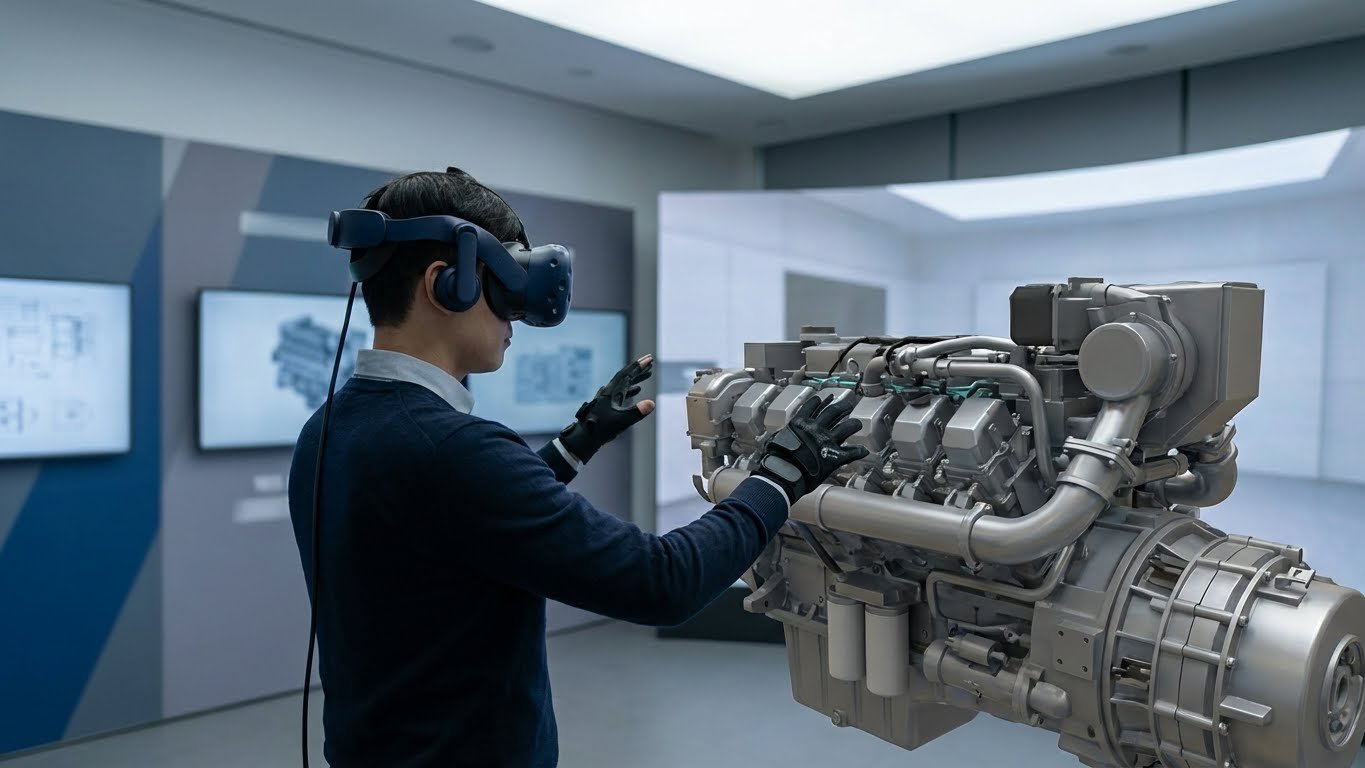
For enterprise, training, and healthcare VR applications, visual accuracy is critical. Custom 3D assets allow organizations to recreate real environments, equipment, and products while maintaining brand consistency and procedural accuracy.
This level of realism supports effective training, compliance, and user trust.
Scalability and Long-Term Maintainability
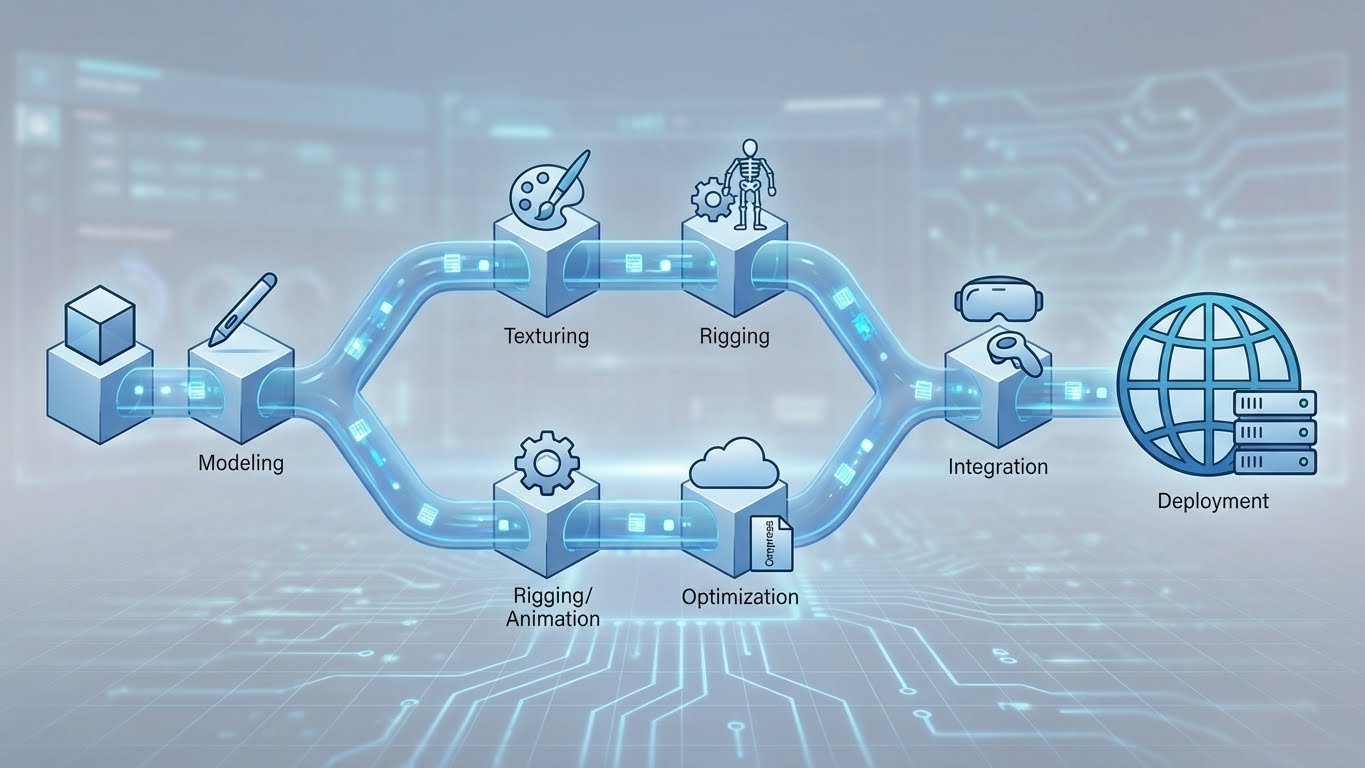 Custom 3D assets are built within structured pipelines, making them easier to update, optimize, and reuse as VR applications evolve. This reduces technical debt and supports long-term scalability.
Well-designed asset pipelines are essential for production-grade VR systems, not just prototypes.
How NexusDevStudio Delivers Custom 3D Assets
At NexusDevStudio, we create custom 3D assets optimized for VR performance, interaction, and scalability. Our 3D Modelling services are designed to support real-world VR applications, not just visual demos.
Our services include VR-ready asset creation, performance optimization, interaction-focused modeling, and ongoing support. Learn more about our 3D Modelling services here:
Final Thoughts
In VR applications, 3D assets are foundational components—not decorative elements. Custom 3D assets enable better performance, natural interaction, and scalable systems that move beyond experimentation.
For teams serious about VR development, investing in custom 3D modelling is essential to long-term success.


