

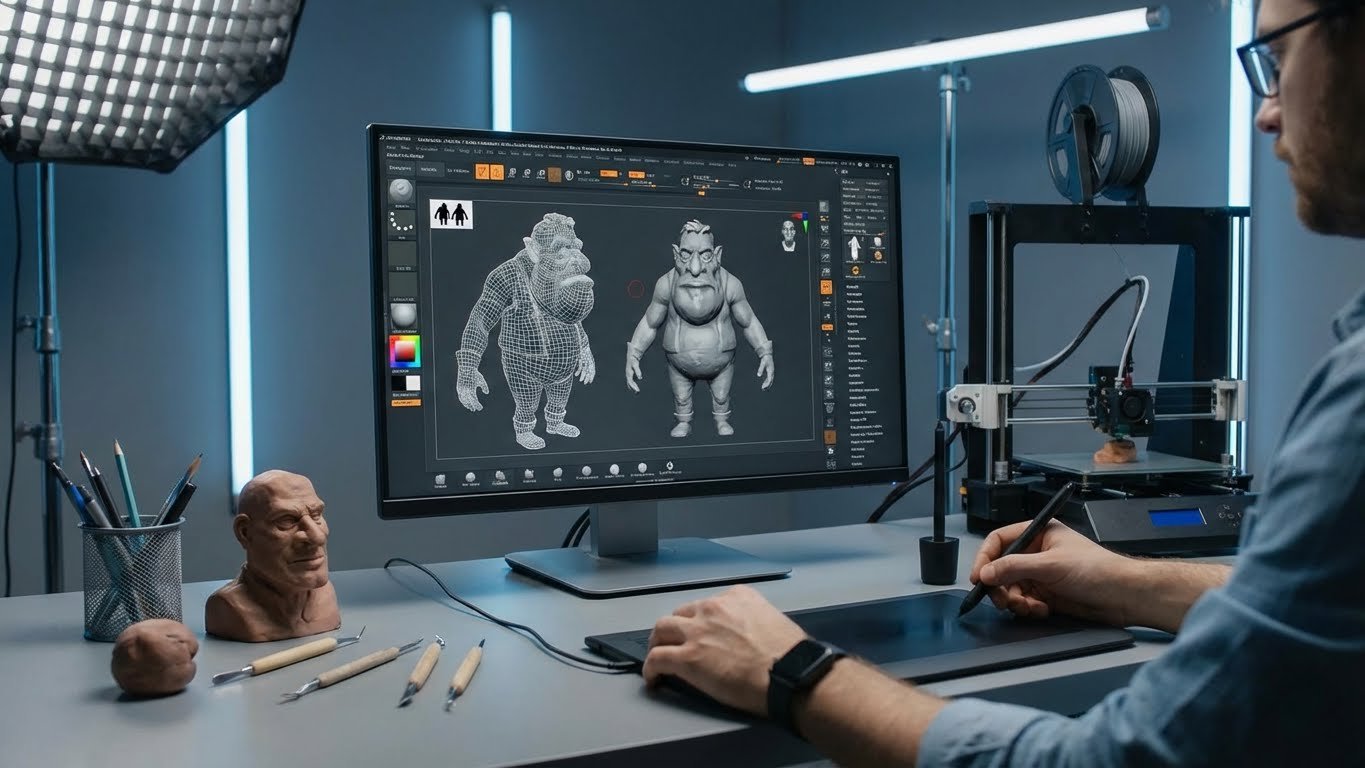
3D modelling has become one of the most valuable tools for modern businesses. Whether you're developing a new product, creating marketing assets, or designing immersive experiences, 3D models allow you to visualise ideas with remarkable accuracy. From architecture and engineering to retail and AR/VR development, 3D modelling transforms rough concepts into detailed, interactive digital assets.
As industries adopt virtual experiences, digital prototyping, and AI-assisted design, the demand for high-quality 3D models continues to grow. Businesses now use 3D modelling to save time, reduce costs, and present their ideas with clarity long before physical production begins.
What Is 3D Modelling?
3D modelling is the process of creating three-dimensional digital representations of objects, environments, characters, or structures. These models can be viewed from any angle, animated, textured, or integrated into software, games, simulations, product configurators, marketing campaigns, and more.
Common uses of 3D modelling include: 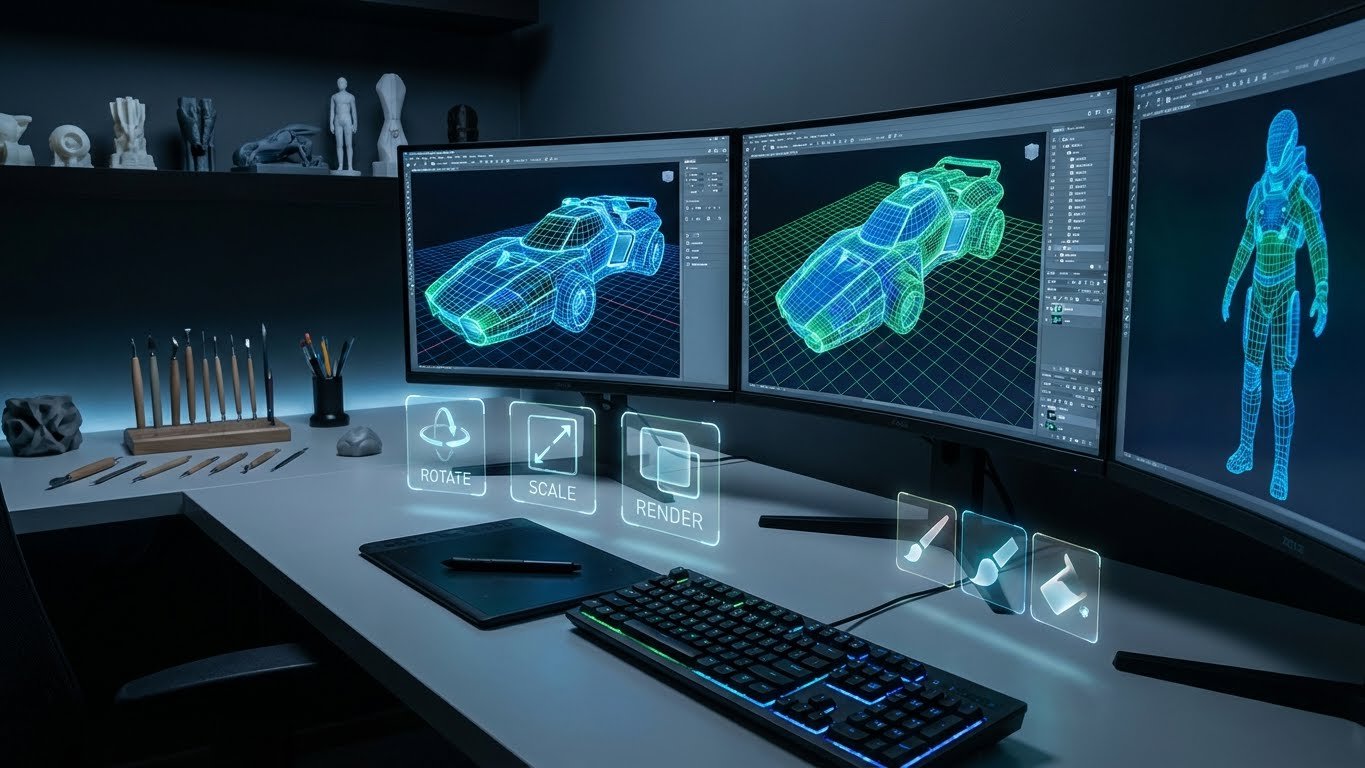
- Product design & digital prototypes
- Architectural visualisations and walkthroughs
- Game assets and character design
- AR and VR experiences
- Animation and cinematic production
- Marketing visuals and 3D renders
Why 3D Modelling Matters for UK Businesses
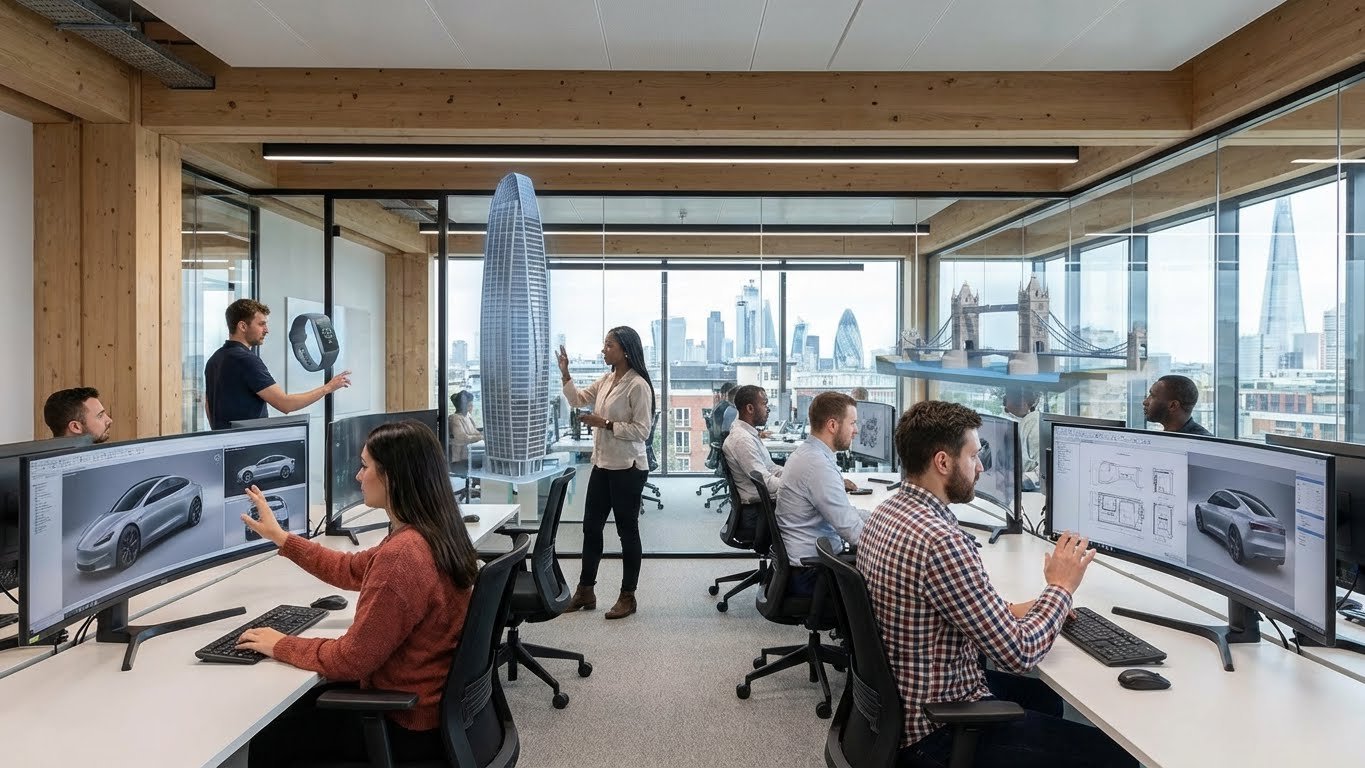 With the rise of XR technology, remote collaboration, and digital-first marketing, UK businesses are relying on 3D modelling more than ever. It allows teams to visualise products before manufacturing, pitch ideas to investors, and develop high-impact visuals for websites and campaigns.
- Better product clarity: show clients exactly what they will receive.
- Faster development: refine designs before creating physical prototypes.
- Enhanced marketing: 3D visuals outperform flat images in engagement.
- Cost savings: reduce material waste and rework during production.
- Compatibility with XR: use models in AR/VR experiences instantly.
How 3D Modelling Works in Real Projects
1. Product Design & Prototyping
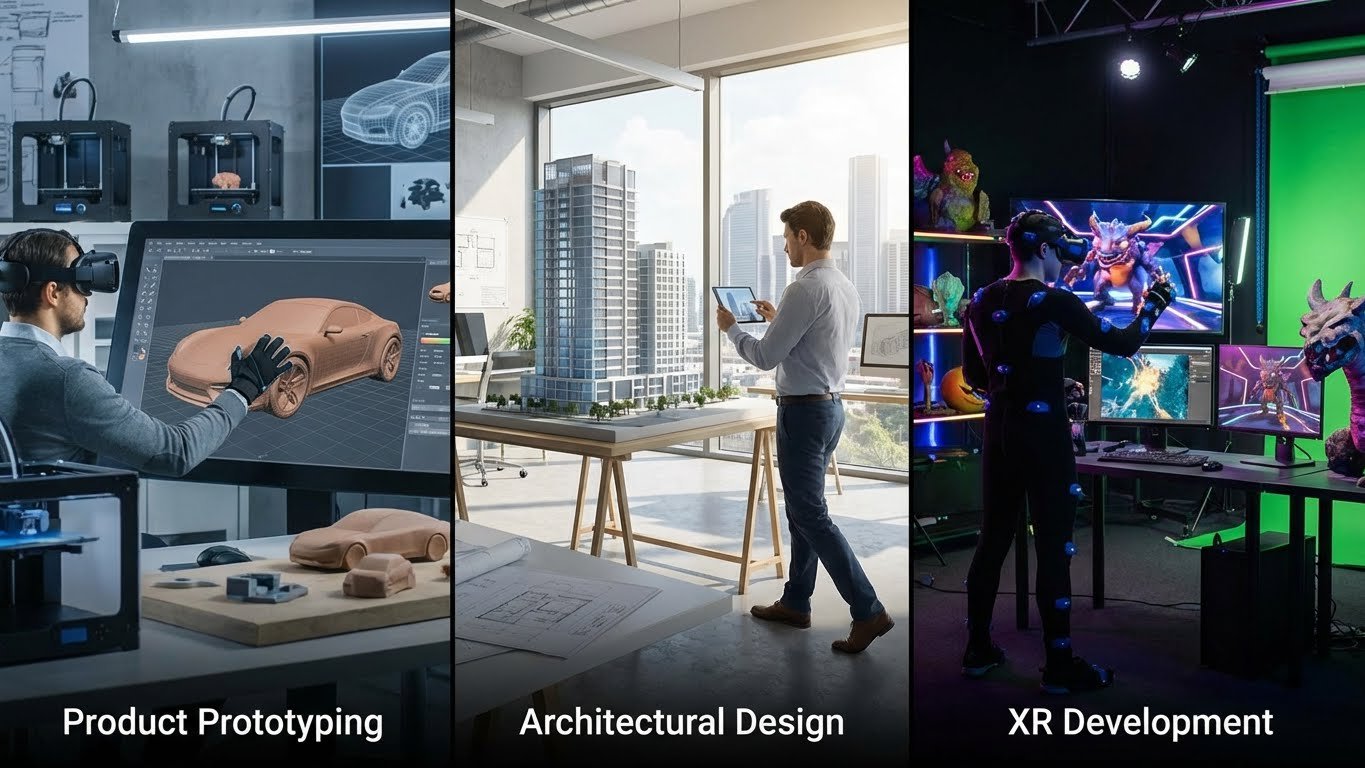 Businesses use 3D models to visualise products long before manufacturing begins. This reduces development time, improves accuracy, and helps teams test different design variations quickly.
2. Architectural & Environmental Design
Architects and developers rely on 3D models to showcase interiors, exteriors, and entire landscapes. Clients can explore spaces from multiple angles, helping them understand the design before construction starts.
3. Game & XR Development
3D modelling is essential for creating characters, props, environments, and animations in games, AR, and VR applications. High-quality models create immersive and interactive digital experiences.
4. Marketing, Branding & Animation
3D renders elevate marketing assets by adding depth, realism, and storytelling. Brands use 3D visuals for product launches, explainer videos, animations, and high-impact social media campaigns.
Benefits of Using 3D Modelling
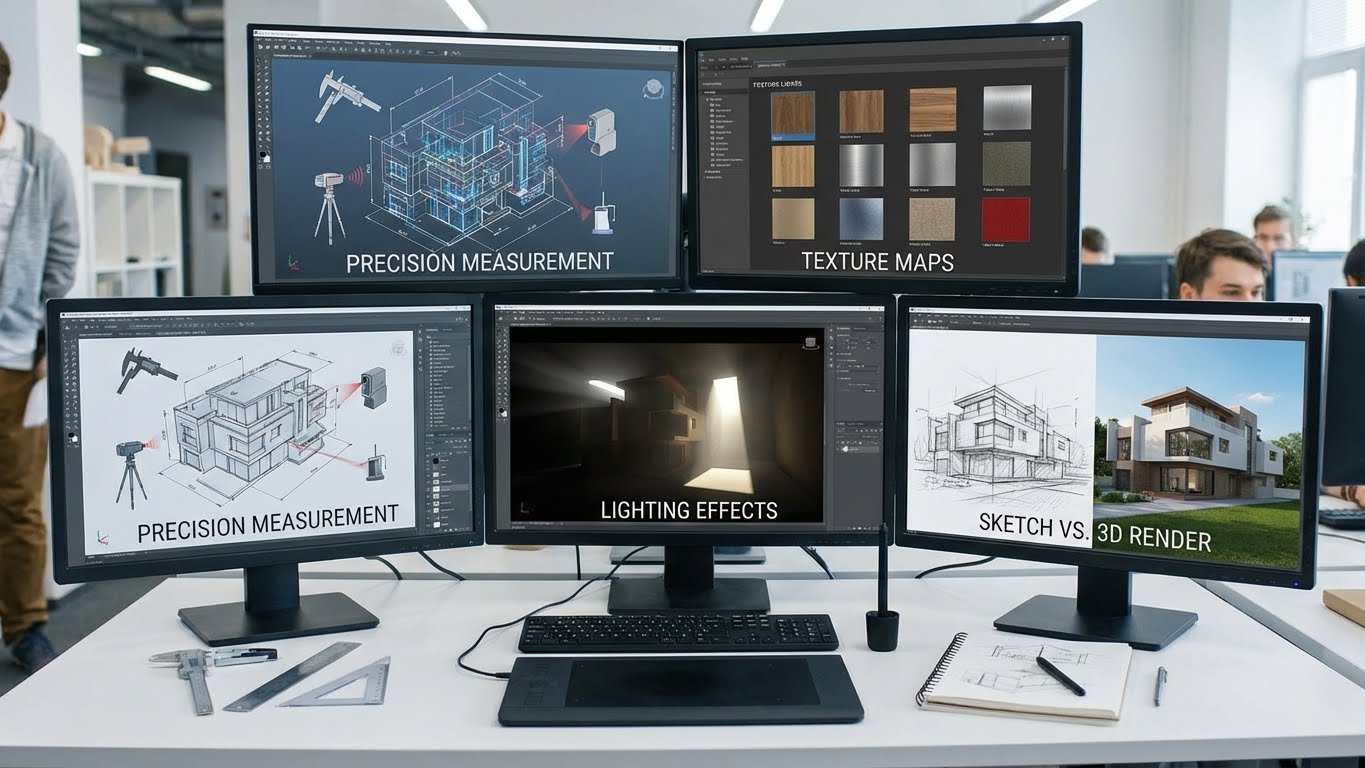 3D modelling offers significant advantages across industries — from improved creativity to better decision-making and stronger customer engagement.
- Precision & realism — visualise every detail accurately.
- Improved communication — show clients exactly what you envision.
- Enhanced creativity — experiment with colours, textures, and shapes.
- Reusable assets — use models across XR, web, CGI, and marketing.
- Reduced production risk — eliminate costly design mistakes early.
How to Get Started with 3D Modelling
1. Define Your Project Goals
Identify what you want to create — a product, an environment, a character, or a full animation. Clarity helps determine the tools and workflow ahead.
2. Choose the Right Modelling Style
Different industries require different modelling techniques: CAD for engineering, low-poly for games, high-poly for realism, or stylised for animation.
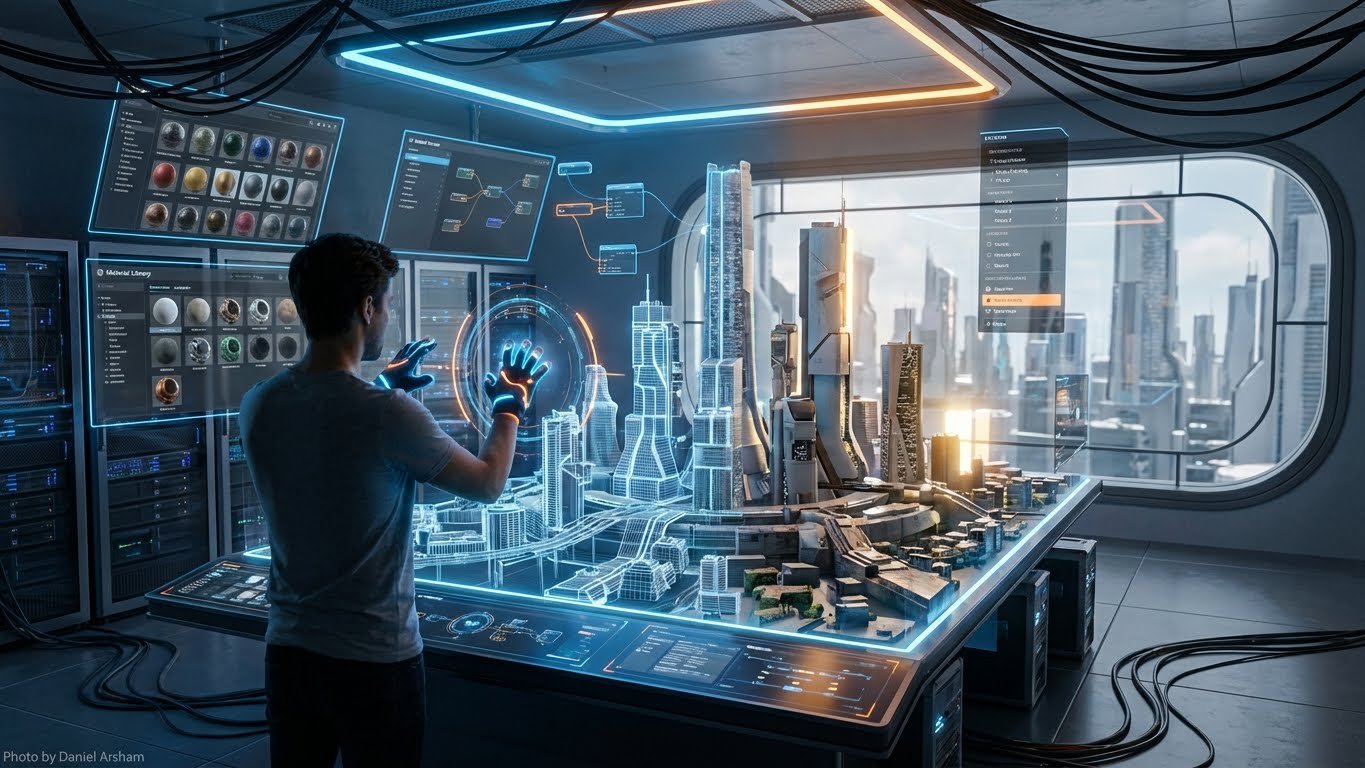
3. Collaborate with Experienced Artists
Skilled 3D modellers transform raw concepts into polished assets. Professional modelling ensures quality, accuracy, and compatibility with your intended platforms.
4. Review, Refine & Export
Once models are created, they undergo testing, optimisation, and refinement. Assets are then exported in the correct formats for rendering, animation, XR development, or marketing use.
Final Thoughts
3D modelling is a powerful tool for businesses looking to innovate, communicate clearly, and create immersive digital experiences. From product design to virtual environments, 3D models bring ideas to life with unmatched precision and creativity.
If you're ready to explore 3D modelling for your next project, Nexus Dev Studio can help you develop high-quality digital assets tailored to your goals — whether for marketing, product design, XR, or interactive applications.


