

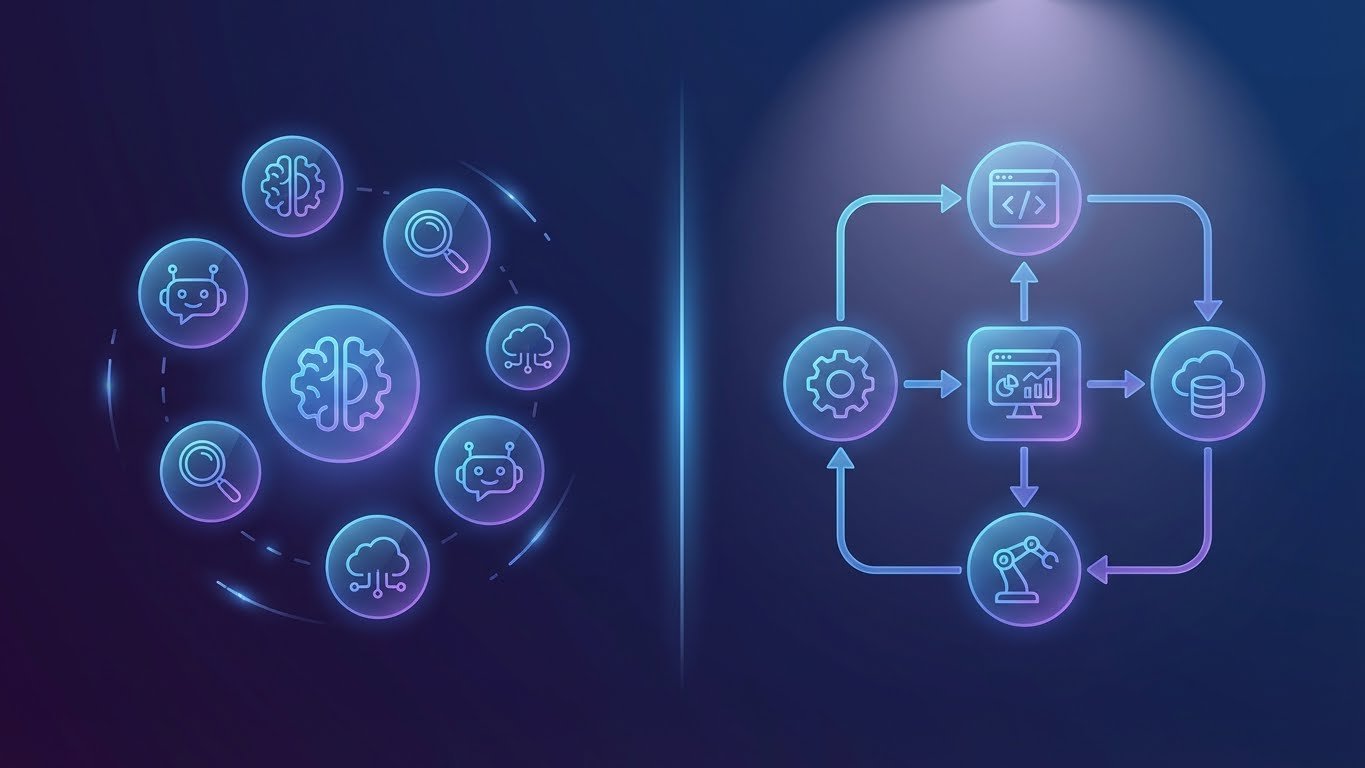
Artificial intelligence adoption is accelerating across industries, yet many businesses struggle to move beyond experimentation. While AI tools are easy to adopt, they rarely deliver sustained business value on their own. The real difference between success and stagnation lies in understanding AI tools versus AI systems.
This article explains why most companies stall at the tool stage, what AI systems really are, and what businesses actually need to achieve scalable, reliable AI automation.
What Are AI Tools?
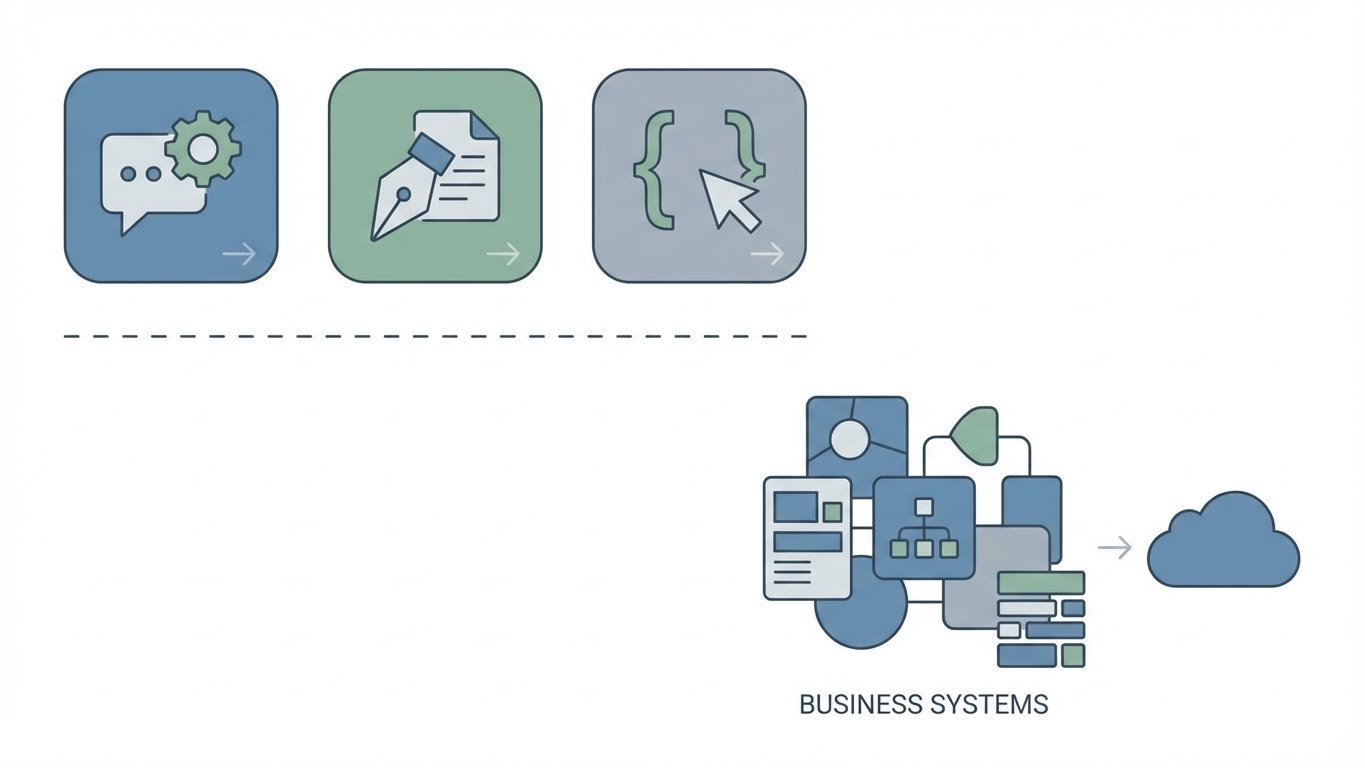 AI tools are standalone applications or features designed to perform a specific task. Common examples include chatbots, AI content generators, code assistants, and image or video generation tools.
These tools are excellent for productivity gains and proof-of-concept experiments, but they typically operate in isolation. They lack awareness of business rules, system dependencies, and real-world execution constraints.
The Limits of AI Tools in Business
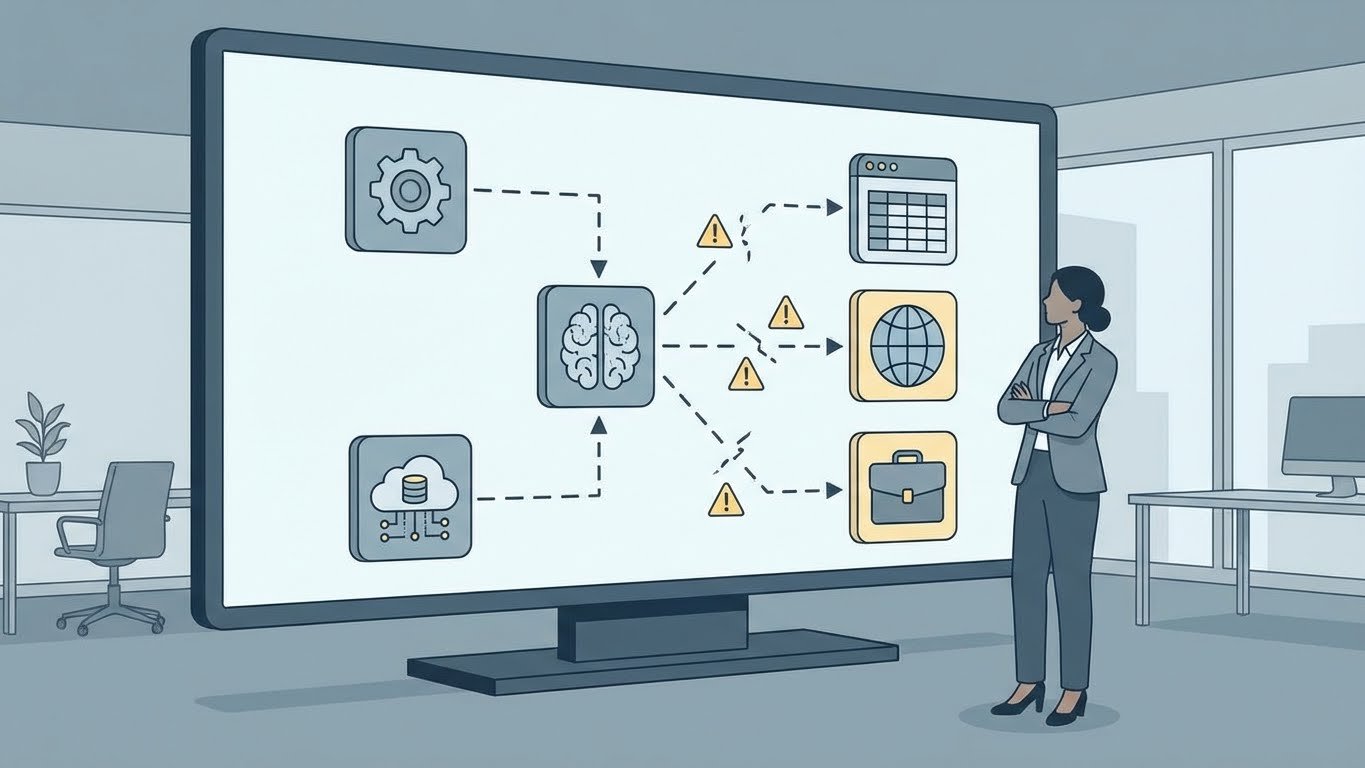 While AI tools can be useful, businesses quickly encounter limitations. These include lack of integration with internal systems, inconsistent outputs, security concerns, and limited scalability.
Most importantly, AI tools do not own outcomes. They generate responses but do not close the loop between insight and action—making it difficult to achieve measurable return on investment.
What Are AI Systems?
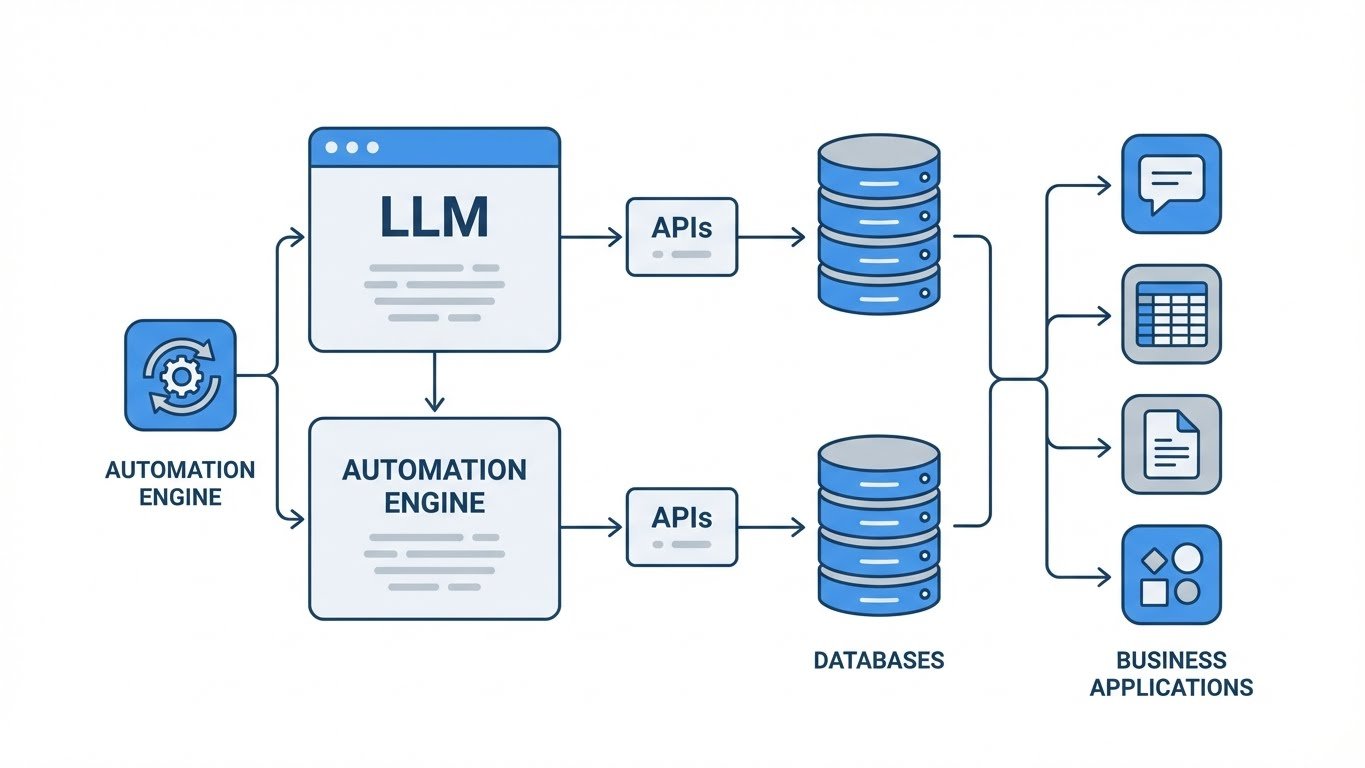 AI systems are end-to-end, production-grade solutions where AI is embedded within structured workflows. Instead of acting alone, AI becomes part of a broader automation architecture.
A typical AI system includes AI models, workflow orchestration, API integrations, validation layers, monitoring, and human-in-the-loop checkpoints to ensure reliability and accountability.
Why AI Systems Deliver Real Business Value
 Businesses that build AI systems see real results because intelligence is integrated into actual workflows. AI systems enable automated lead qualification, customer support triage, data processing pipelines, and decision-support tools.
Because outputs are validated and monitored, AI systems are measurable, auditable, and aligned with business objectives—making them suitable for long-term use.
Common Mistakes Businesses Make
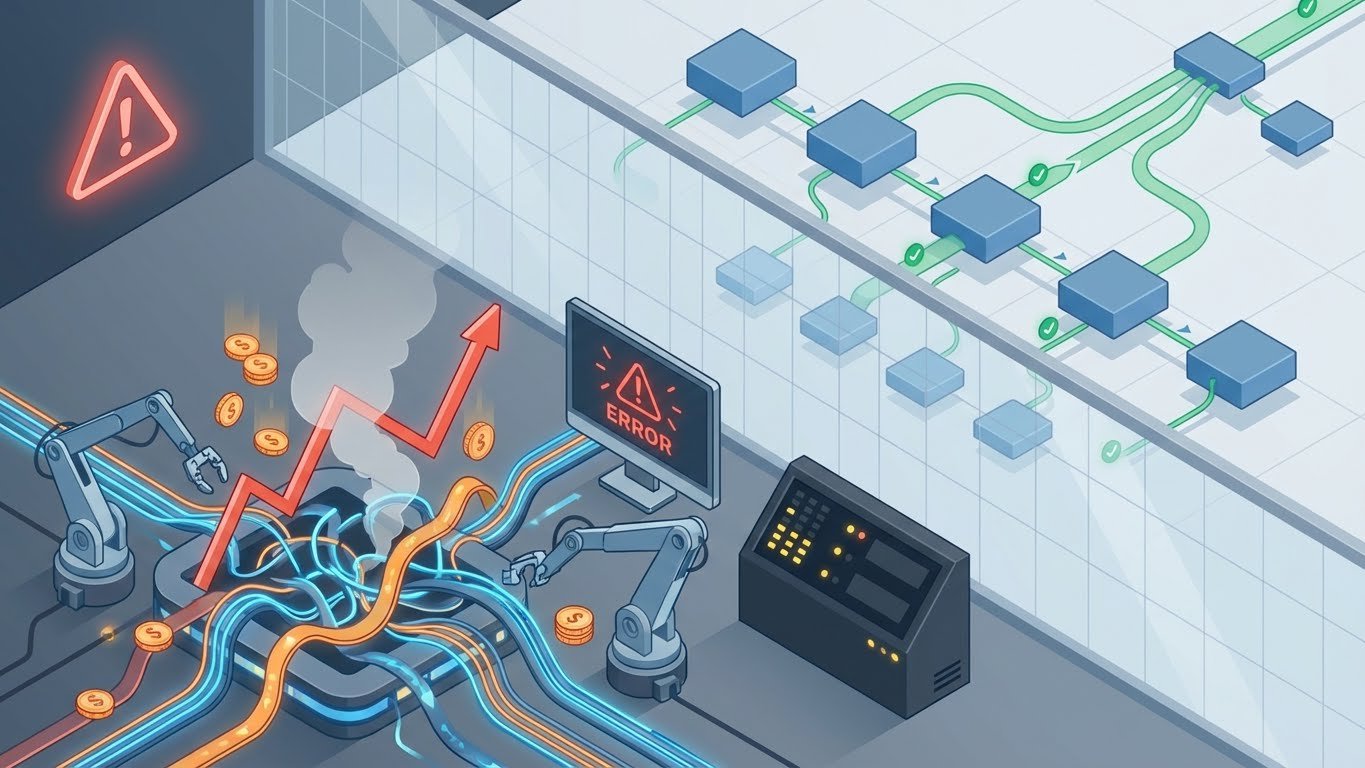
Many organizations struggle with AI adoption because they treat AI as plug-and-play software. Relying on prompts alone, skipping integration, and ignoring monitoring often leads to failed implementations.
AI delivers the most value when it augments structured processes—not when it operates without safeguards.
How NexusDevStudio Builds AI Automation Systems
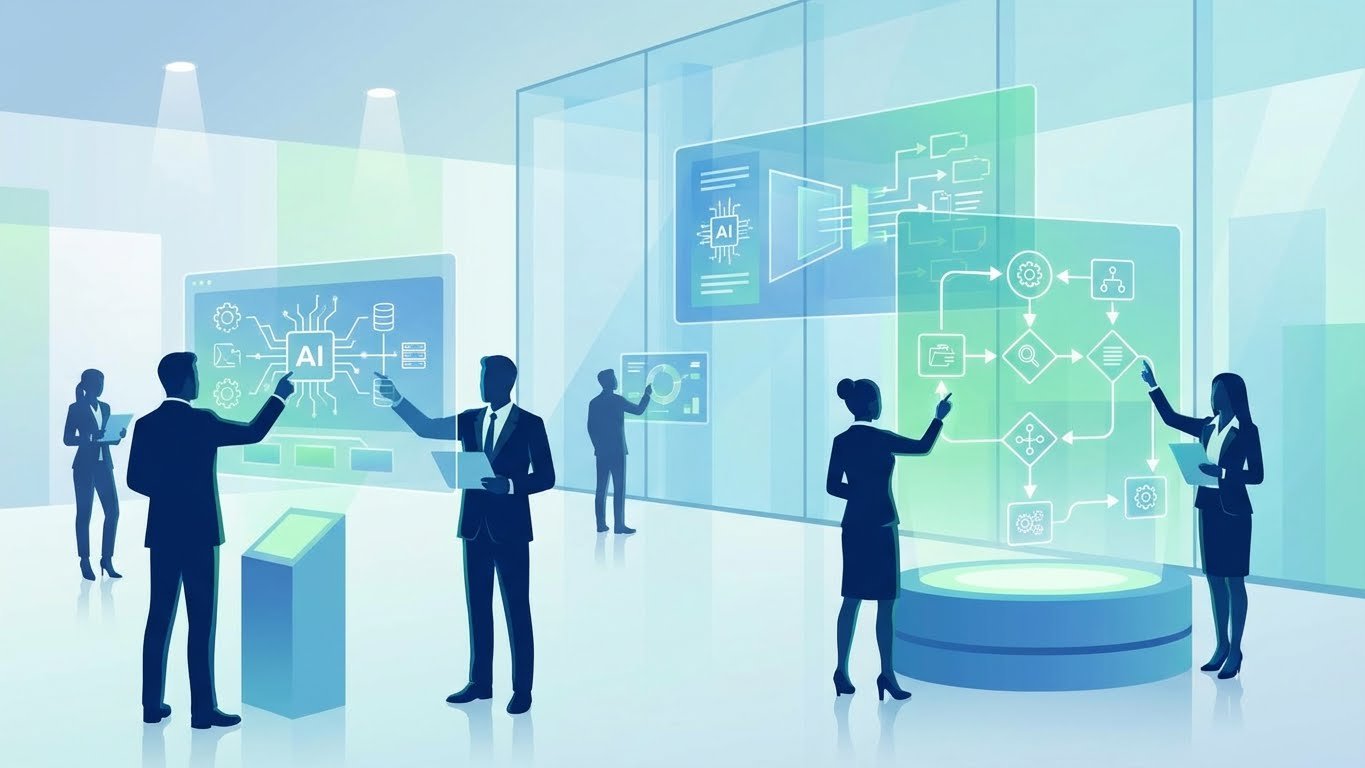 At NexusDevStudio, we help businesses move beyond isolated AI tools and build production-ready AI automation systems that deliver measurable outcomes. We focus on architecture, integration, and long-term scalability.
Our AI Automation services include end-to-end workflow design, LLM-powered applications, AI agent orchestration, secure API integrations, and ongoing monitoring. Learn more about our AI Automation services here:
Final Thoughts
AI tools are easy to adopt, but AI systems are what businesses actually need. The organizations that succeed focus on building reliable systems that integrate intelligence into real workflows.
The future of AI in business is not about more tools—it’s about better systems.


