

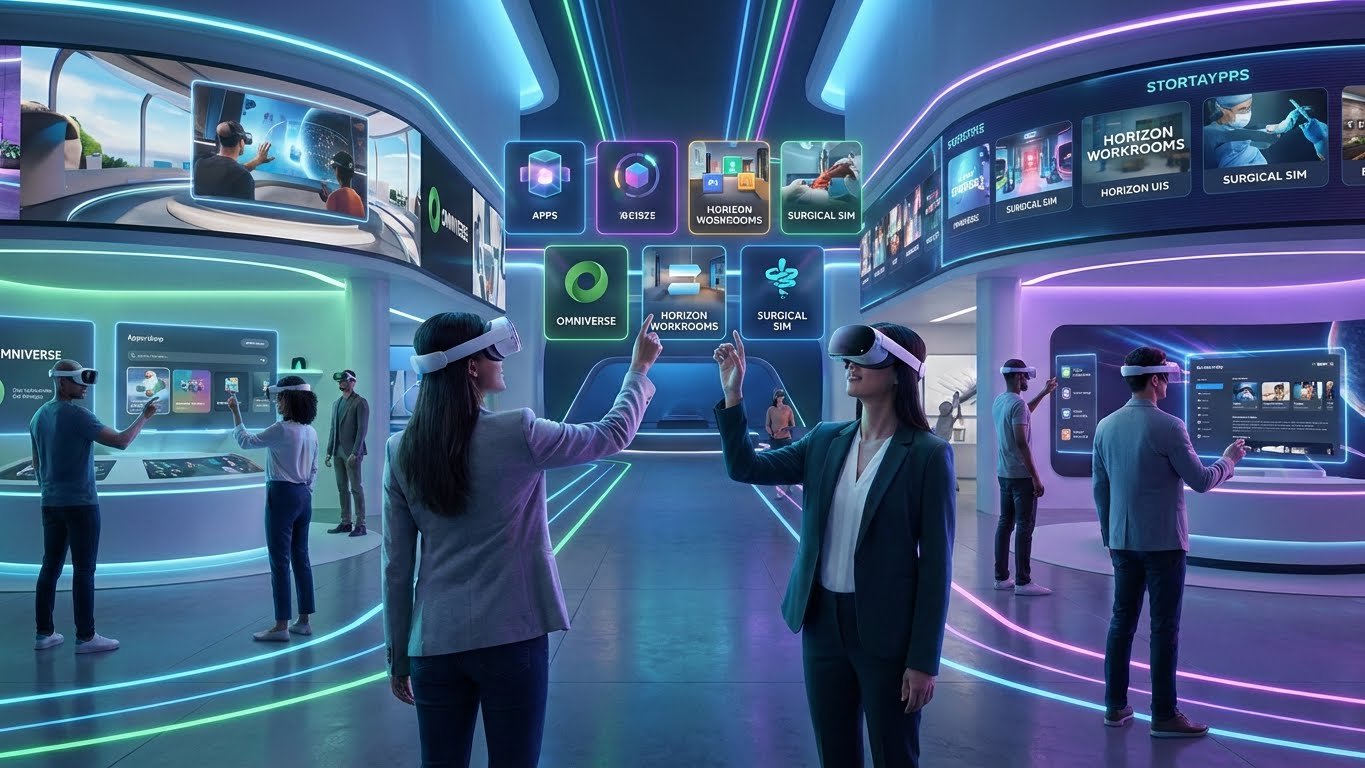
Virtual reality is no longer a niche technology. From immersive training simulations to virtual reality game development and enterprise XR solutions, the demand for high-quality VR apps is accelerating. However, creating a great experience is only half the journey — knowing how to sell virtual reality apps on popular marketplaces is what turns innovation into revenue.
As VR, MR, and XR developers and marketers, we’ve seen many promising applications struggle due to poor platform choice, weak marketplace listings, or lack of promotion. In this guide, we explain how to position, launch, and market your VR app successfully while avoiding the most common pitfalls.
Understanding the VR Marketplace Landscape
 Selling a VR app starts with choosing the right platform. Users often compare virtual reality platforms based on headset comfort, performance, content quality, and price. Marketplaces like the Meta Quest Store, SteamVR, and Pico Store all serve different audiences and use cases.
When selecting a marketplace, consider:
- Target audience — consumer gaming, enterprise training, or education.
- Hardware compatibility — premium vs affordable headsets.
- Technical requirements — performance benchmarks and review
- Monetisation options — paid apps, subscriptions, or in-app purchases.
Preparing Your VR App for Sale
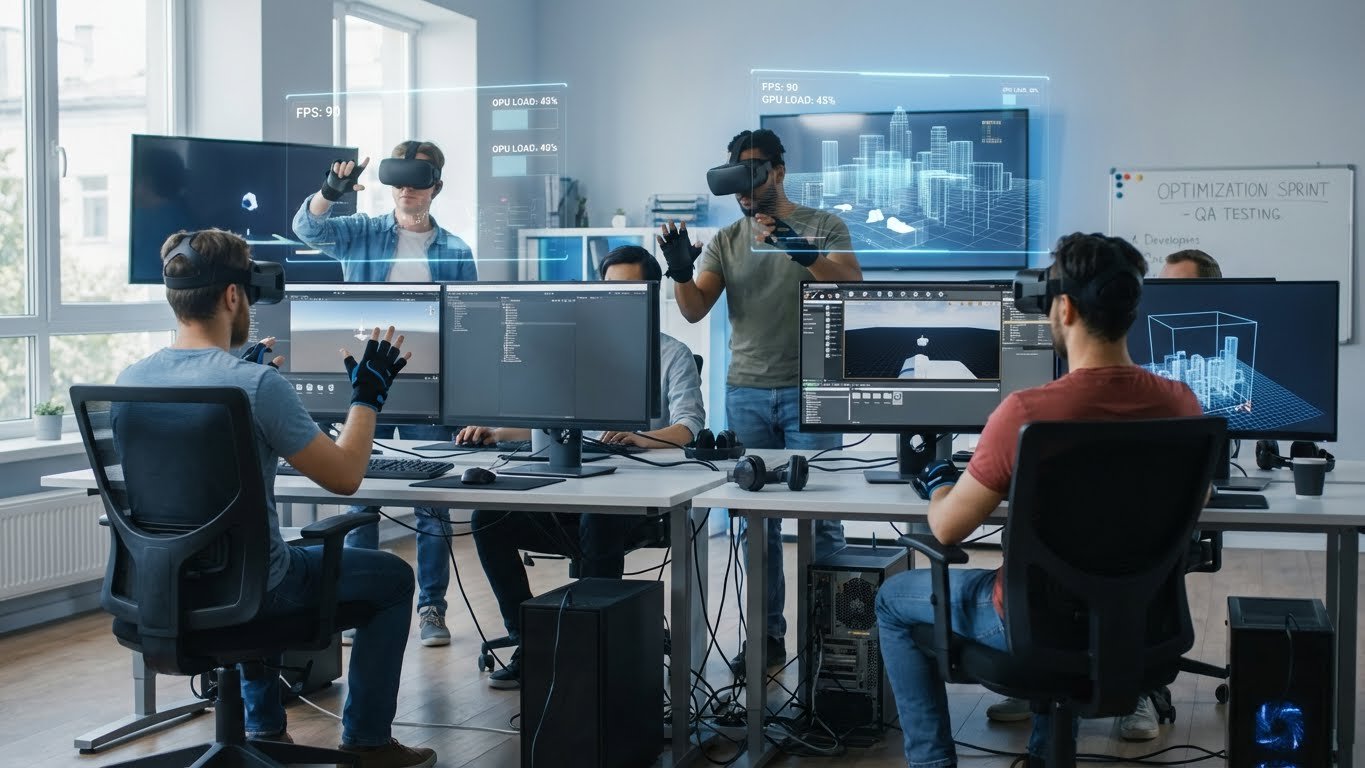 A successful launch depends on preparation. Marketplaces prioritise comfort, usability, and performance. Poor optimisation can result in rejection or negative reviews, regardless of how innovative the concept may be.
- Performance optimisation to maintain smooth frame rates.
- Clear user onboarding and intuitive VR controls.
- High-quality visuals without unnecessary performance overhead.
- Comfort and safety features to reduce motion discomfort.
Using the best tools for virtual reality developers — such as Unity, Unreal Engine, and AI-powered asset workflows — helps streamline development while meeting strict platform requirements.
Optimising Your Marketplace Listing
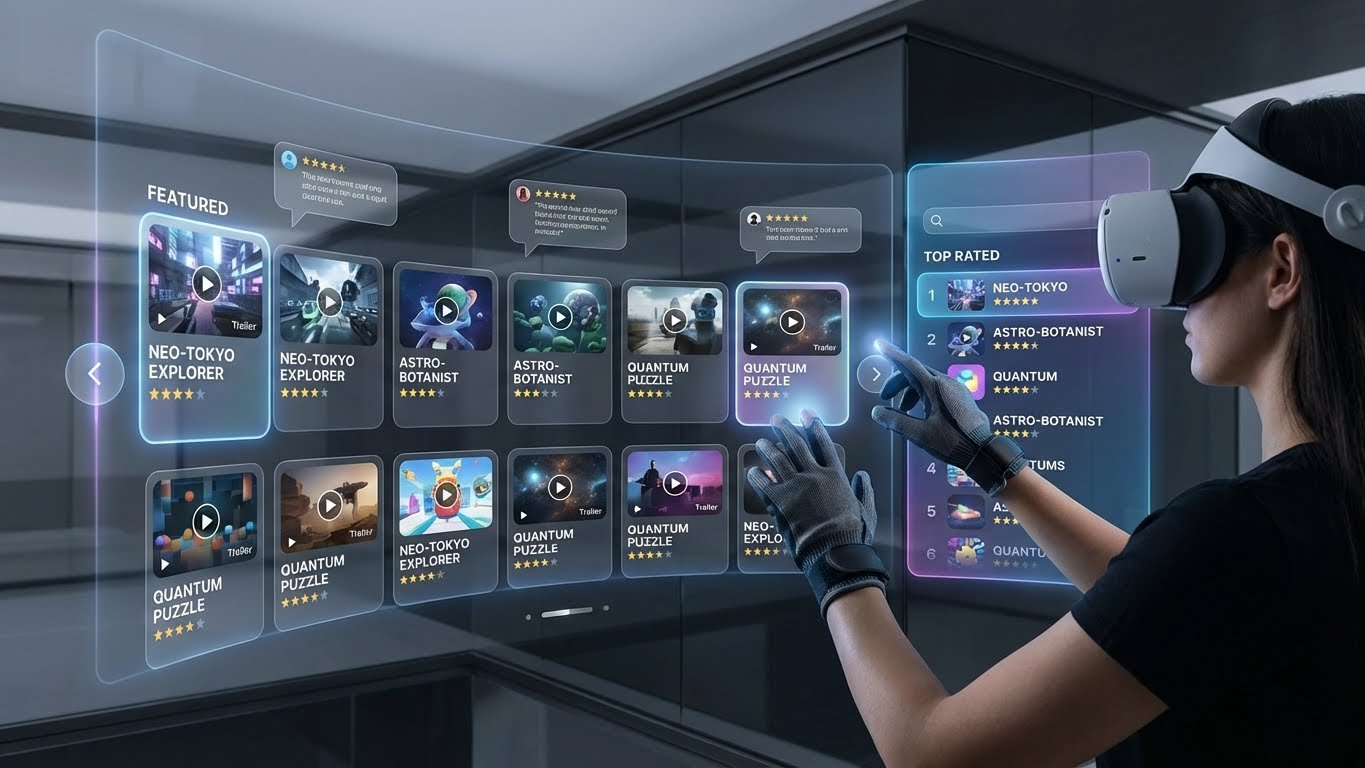 Your store listing is your sales page. When users browse VR shopping platforms or discover apps through search engines, your description and visuals determine whether they convert.
- Clear descriptions using keywords like virtual reality development and VR app development.
- High-quality screenshots and trailers showing real in-headset footage.
- Accurate headset compatibility to avoid refunds and poor reviews.
- Strong value proposition focused on user benefits.
Promoting VR Apps Beyond the Store
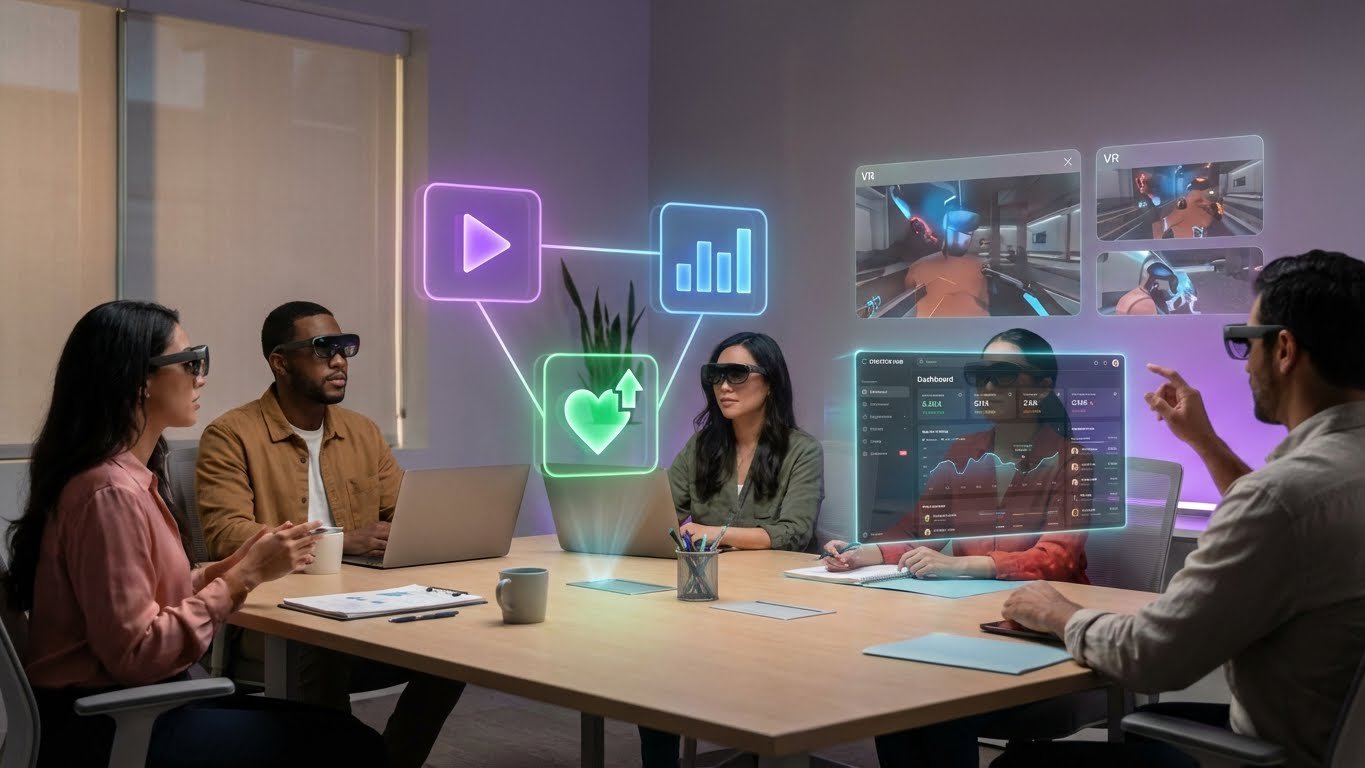 Marketplace visibility alone is rarely enough. Successful VR launches combine store optimisation with external promotion across social media, communities, and search engines.
- Share development updates using hashtags like #virtualrealitydevelopment.
- Create short gameplay clips for TikTok, Instagram, and YouTube.
- Engage VR communities on Reddit and Discord.
- Use AI models to optimise trailers and analyse user behaviour.
Why Partner with a VR Development Studio

Selling VR apps successfully requires more than technical skills. It demands experience in platform strategy, performance optimisation, user experience design, and marketing. T
hat’s wh
ere a specialised VR, MR, and XR studio makes the difference.
At Nexus Dev Studio, we support the full lifecycle of immersive products — from concept and virtual reality development to marketplace launch and promotion. Our team helps businesses and creators build scalable, market-ready VR applications designed to succeed.
Learn more about our VR development services here:
Final Thoughts
As affordable headsets and immersive technology continue to grow, the opportunity to sell VR apps has never been stronger. With the right platform strategy, strong optimisation, and consistent promotion, developers can turn immersive ideas into sustainable revenue streams.
Whether you’re launching a VR game, training simulation, or enterprise XR solution, success starts with the right foundation. With expert guidance and proven development processes, your VR app can stand out in a competitive marketplace.


