


When a website slows down, ranks poorly on search engines, or becomes expensive to maintain, the root cause is often hidden deep in the code. A website code audit uncovers these issues—but many businesses hesitate because they don’t understand what the cost actually represents.
This guide explains website code audit pricing from a practical perspective. Instead of focusing only on numbers, we’ll break down what you’re really paying for, why expert audits cost more than automated tools, and how the investment translates into long-term stability, performance, and growth.
Why Website Code Audits Are a Strategic Investment
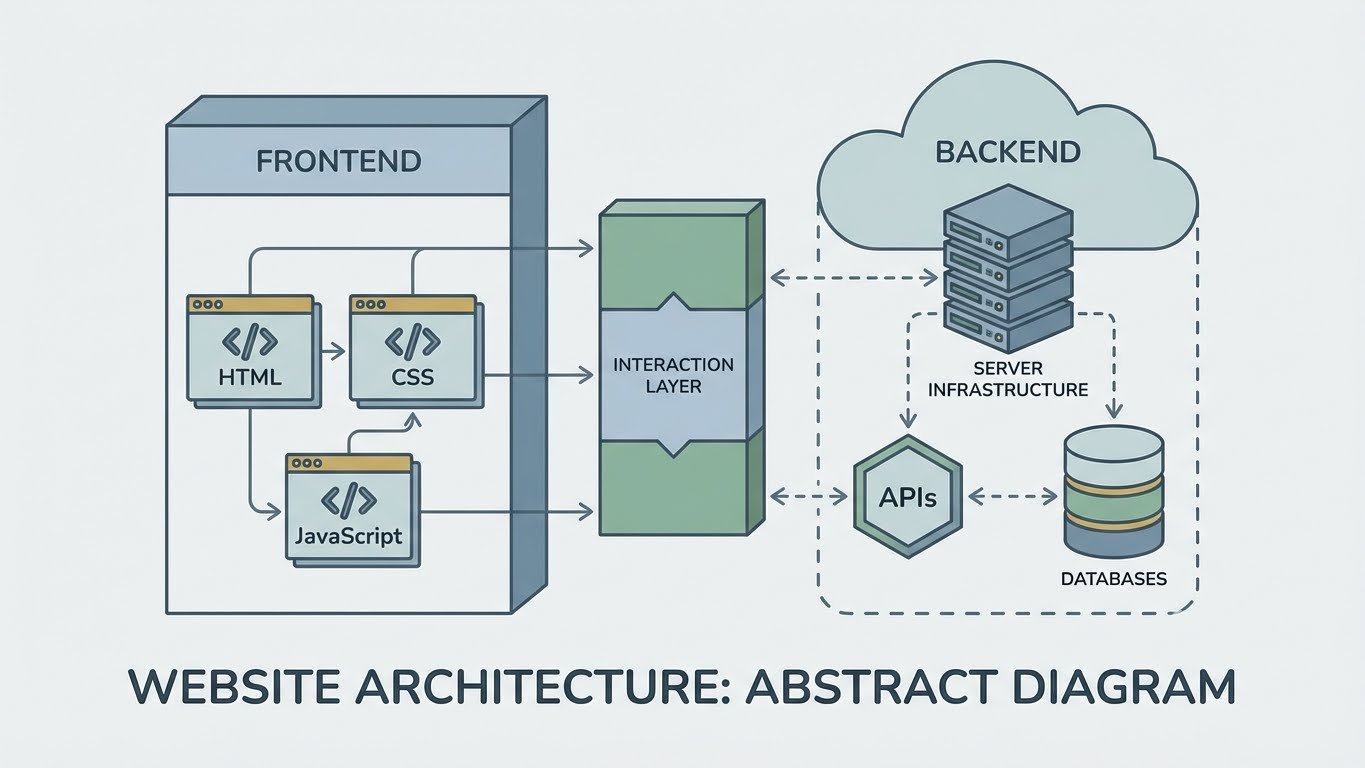 A website code audit is not just a technical check—it’s a strategic evaluation of how well your digital infrastructure supports your business goals. From SEO performance to shopping conversions and social media integrations, code quality impacts every layer of your online presence.
Businesses that skip audits often accumulate technical debt, leading to higher development costs, slower releases, security risks, and poor user experience. An audit brings clarity before problems escalate.
Typical Cost Ranges for Website Code Audits
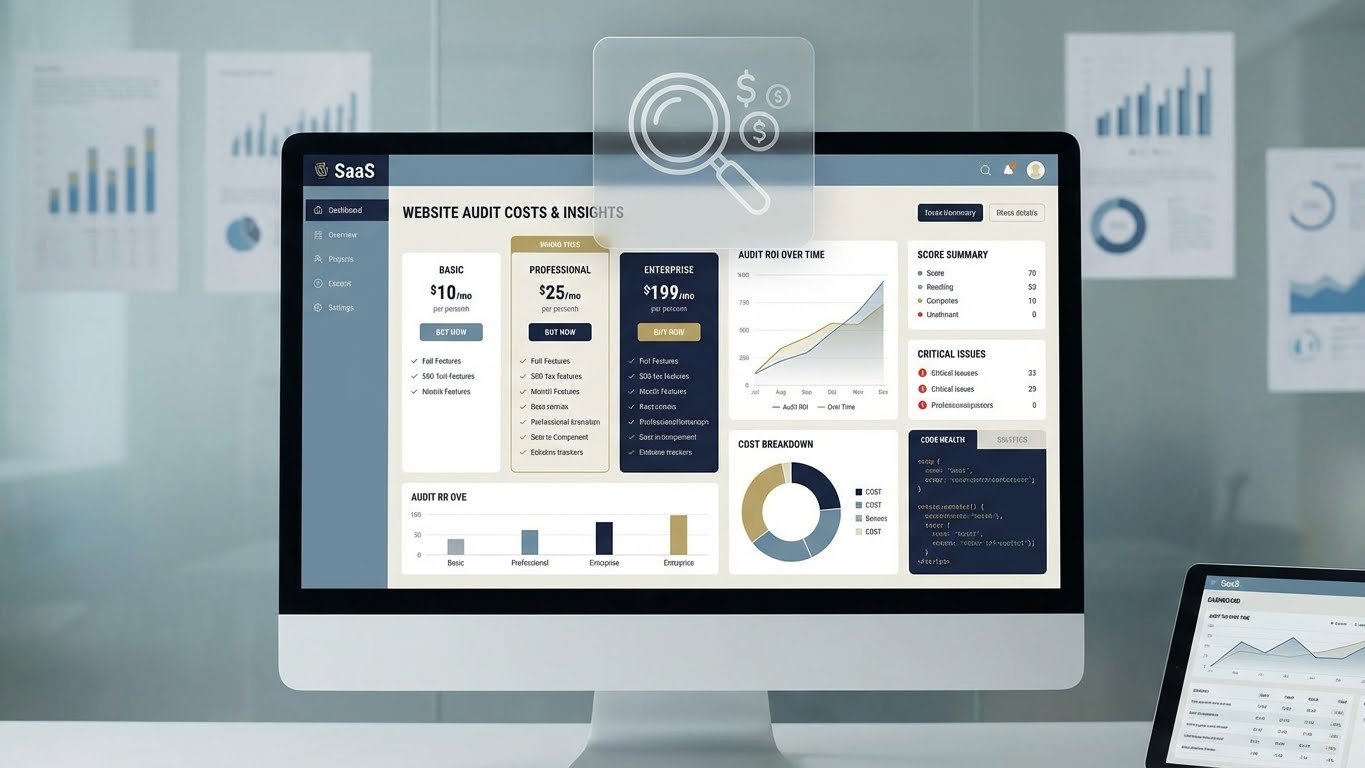 Website code audit pricing varies depending on scope and complexity. While exact figures differ, most expert-led audits fall within the following ranges:
- Small websites (5–10 pages): £500 – £1,200
- Medium websites (custom CMS or integrations): £1,500 – £3,000
- Large platforms (eCommerce, SaaS, AI-powered systems): £3,000 – £7,000+
These costs reflect hands-on expert reviews—not automated scans. The difference lies in analysis depth, prioritisation, and real-world recommendations.
What Drives Website Code Audit Pricing?
 Several factors influence how much a professional website code audit costs:
- Website Size & Complexity: Larger sites with shopping features, AI-driven logic, or multiple integrations require deeper analysis.
- Technology Stack: Legacy systems, custom frameworks, or complex APIs increase audit effort.
- Audit Depth: High-level reviews differ from line-by-line code inspections with documentation.
- Security & Compliance: Payment processing, user data, and third-party integrations require advanced security checks.
- Manual vs Automated: Automated tools flag issues; experts explain impact and fixes.
Why Automated Audits Are Not Enough
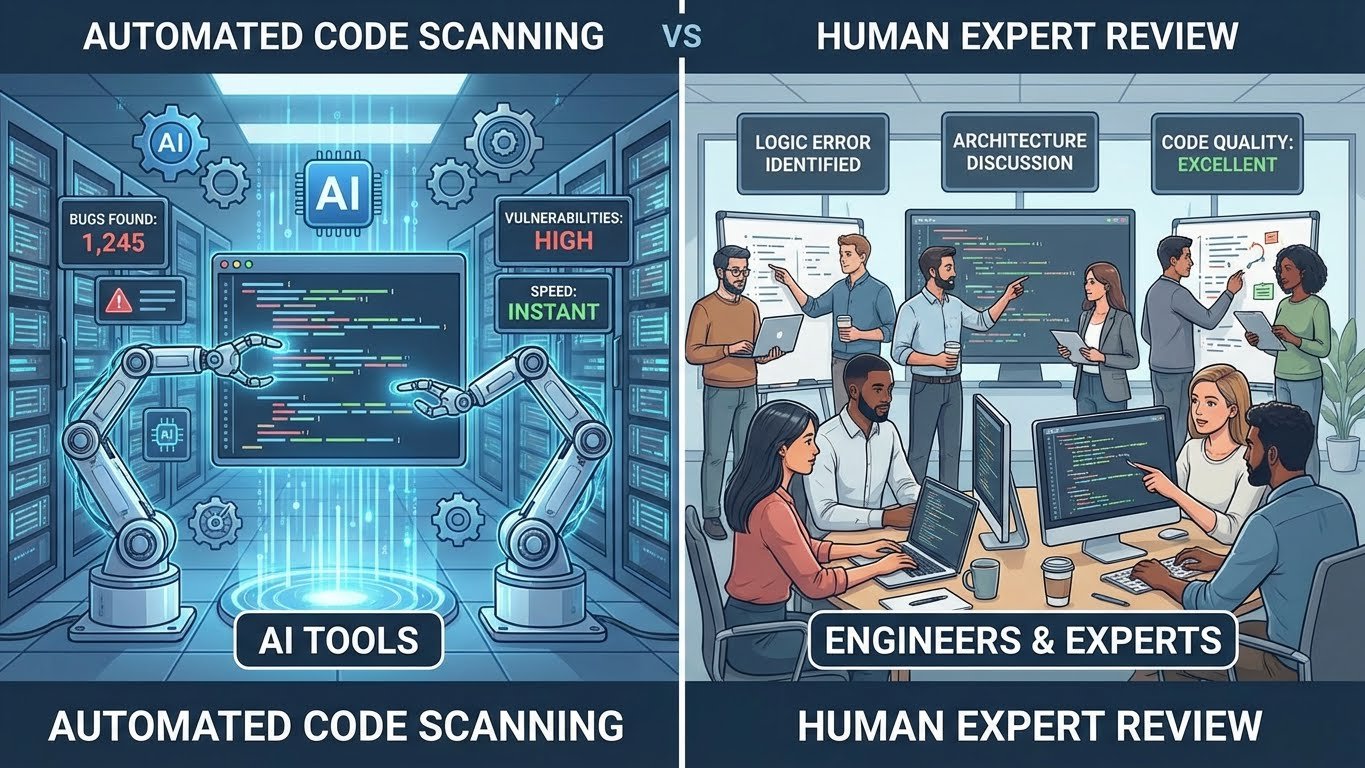 Automated website code audit tools are useful for quick diagnostics, but they lack context. They don’t understand business priorities, architectural trade-offs, or long-term scalability concerns.
Expert-led audits combine tooling with human judgment, identifying not only what is wrong—but what matters most. This prevents wasted development effort and helps teams focus on high-impact improvements.
How Nexus Dev Studio Approaches Code Audits

At Nexus Dev Studio, our website code audit services focus on clarity, action, and long-term value. We don’t just identify issues—we explain their business impact and provide a clear roadmap for improvement.
Learn more about our website code audit services here:
Final Thoughts
A website code audit is not an expense—it’s a risk-reduction and performance investment. Understanding what you’re paying for helps you choose the right depth, the right partner, and the right moment to act.
When done properly, a professional code audit delivers confidence, scalability, and a stronger foundation for growth.


