


In 2026, we don’t browse websites — we experience them. That expectation has been shaped by platforms like Netflix, Spotify, and Amazon, where every interaction feels eerily personalised. Yet most business websites still behave like it’s 2013: flat, fixed, and blind to the human on the other side of the screen.
If your website treats every visitor the same, it’s not just outdated — it’s misleading. It promises relevance while delivering sameness. It wears the costume of innovation while clinging to a template. In other words, it’s quietly gaslighting your users — and they can feel it.
The Illusion of Personalisation
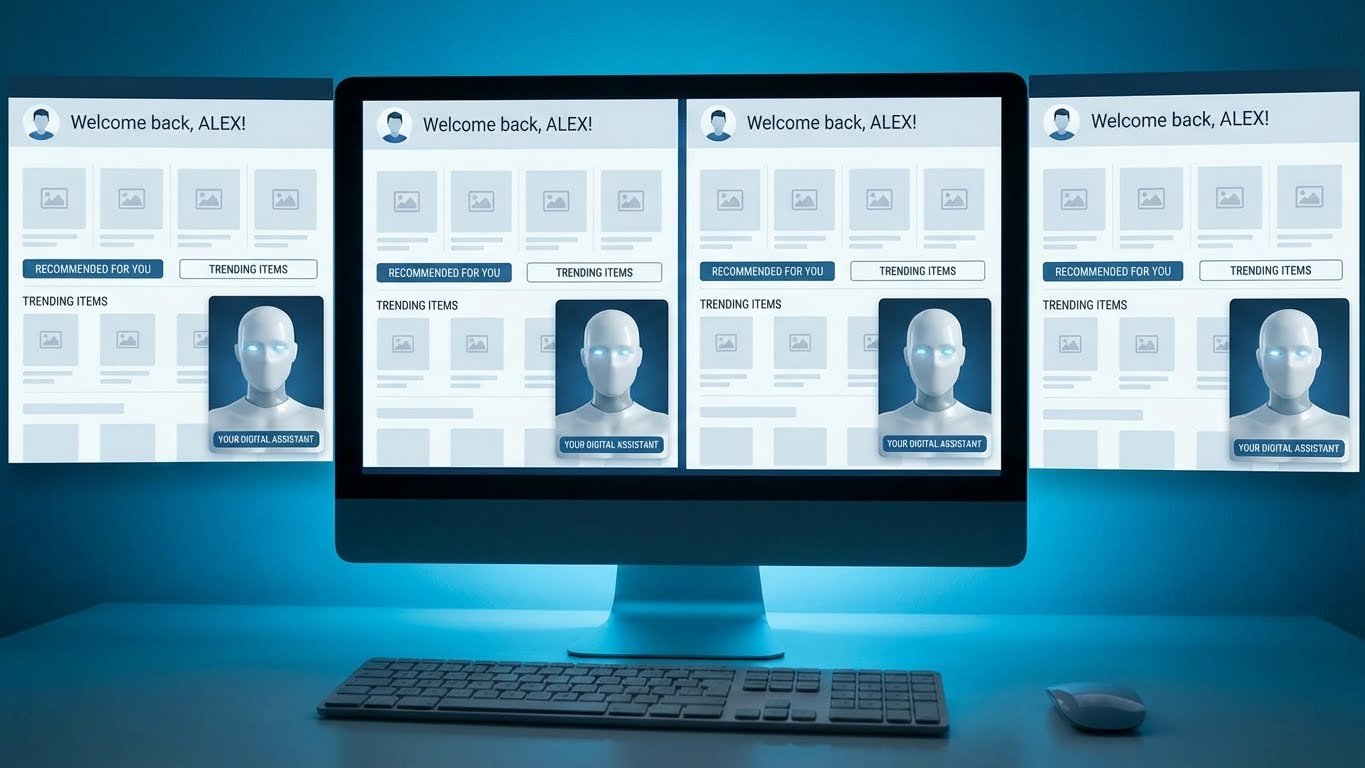
Many websites offer surface-level tweaks — a name in the header, dark mode, maybe an AI chatbot pretending to be helpful. But none of that is real adaptation. Real adaptive UX listens, learns, and transforms in real time.
What users actually want isn’t just information — it’s recognition. They want your site to understand their behaviour, respond to their intent, and evolve accordingly. That is no longer a luxury. It’s the baseline.
What Adaptive UX Really Means
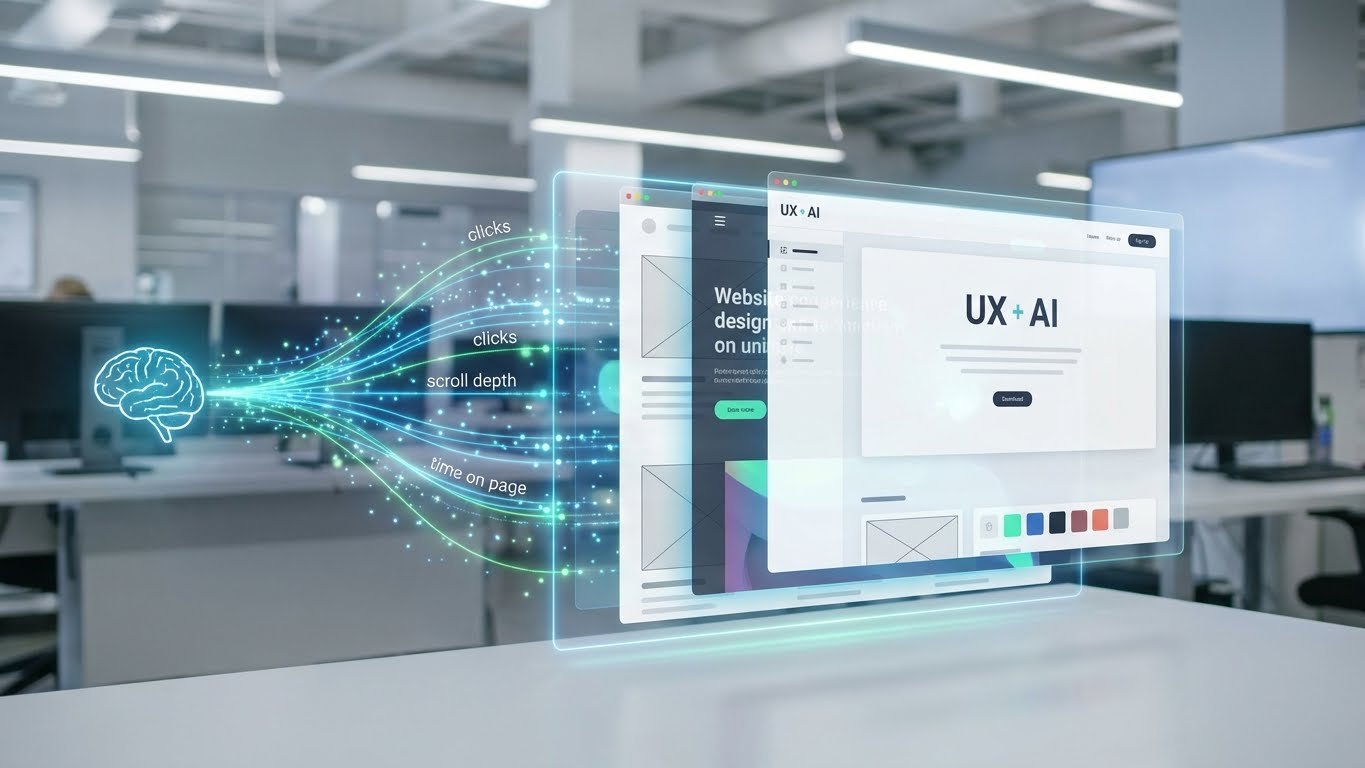 Adaptive UX is a dynamic interface that shifts in real time based on behaviour, preferences, location, device, and past engagement. It’s powered by data and often enhanced by AI — but grounded in human psychology.
- Changing calls to action based on where someone is in the funnel
- Showing different headlines to first-time visitors vs returning users
- Offering content paths based on role, goal, or segment
- Adapting UI for device, cognitive load, and intent
It’s UX that feels alive — silently telling users, “We see you.”
Static Websites Are Strategic Liabilities
 In today’s digital economy, a static website is not neutral — it’s a risk. Every non-adaptive interaction chips away at perceived relevance. Every generic landing page weakens brand connection.
Users don’t leave because they’re impatient. They leave because your site doesn’t respect their time. And in a world of infinite choice, relevance is respect.
Isn’t Custom Development Too Expensive?
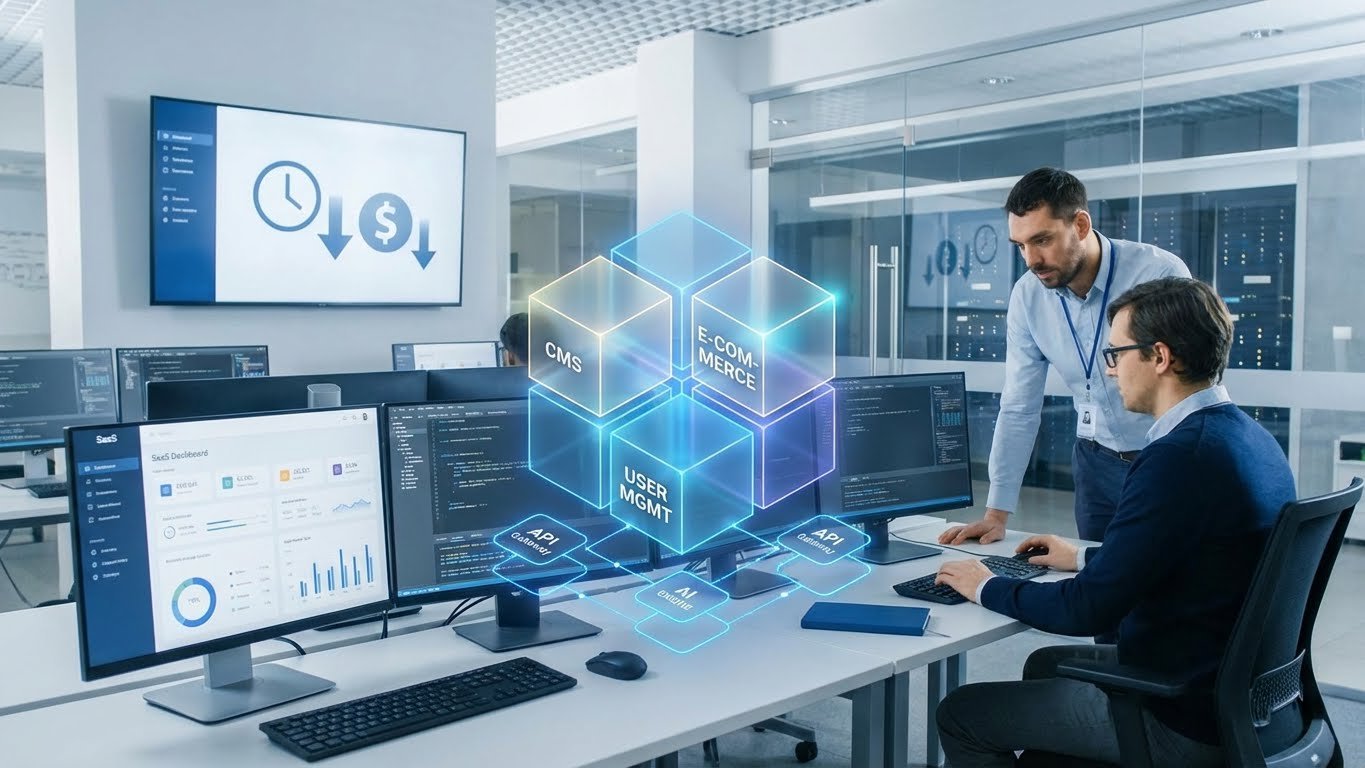 That belief is outdated. Modern adaptive systems use modular architecture, APIs, serverless infrastructure, and AI-driven personalisation. You don’t need to rebuild everything — you need a system that adapts.
Today’s custom development is about speed, flexibility, and strategic design — not bloated timelines or budgets.
This Is Bigger Than Conversion Rates
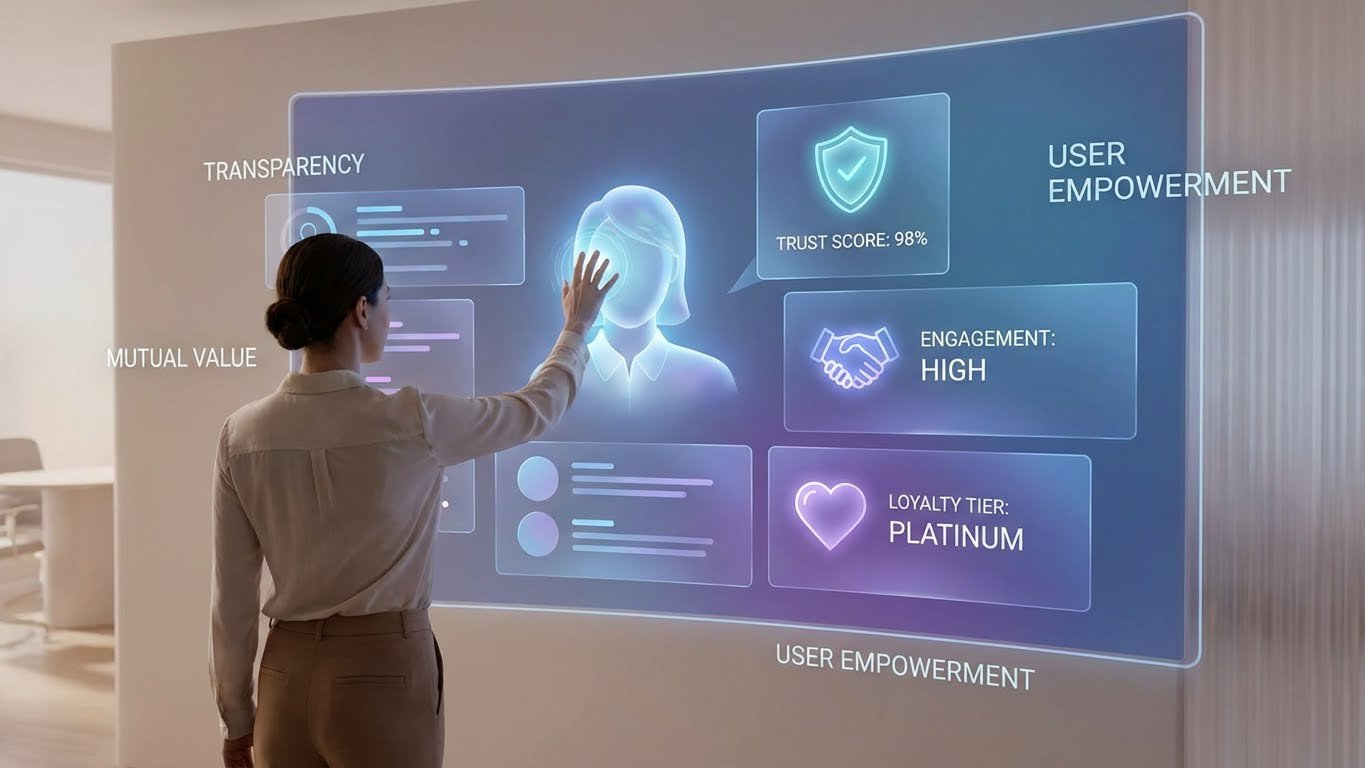 Adaptive UX improves engagement, retention, and revenue — but the deeper win is trust. Trust that your brand understands its users. Trust that it’s solving problems, not just selling.
In 2026, static websites aren’t just less effective. They’re a betrayal of what users now expect: relevance, responsiveness, and respect.
Want to See What Your Site Is Really Saying?
Nexus Dev Studio offers a free Website Audit — not to shame your stack, but to reveal where adaptive UX could unlock trust, engagement, and growth.
Claim your free website audit and see what your site could become when it stops pretending — and starts listening.


