


Your website might look professional on the outside, but underneath the surface, hidden code issues can affect everything — from speed and SEO performance to security and user experience. A website code audit helps uncover these problems early, giving you a clear roadmap to improve stability, ranking, and conversions.
Over time, websites accumulate technical debt: outdated scripts, unused CSS, broken links, slow-loading images, or security vulnerabilities. Without regular audits, these issues quietly reduce your search visibility and frustrate visitors. A structured code audit ensures your site stays fast, clean, and secure.
What Is a Website Code Audit?
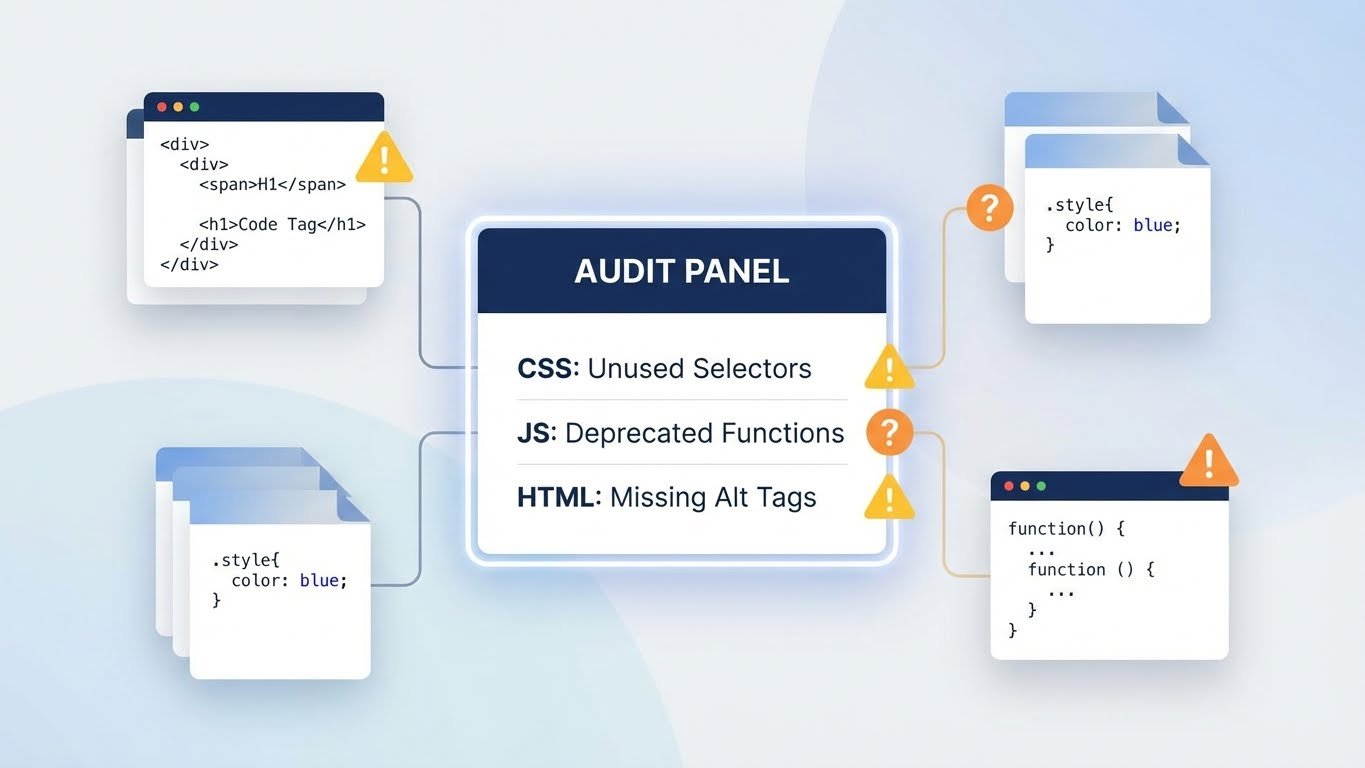 A website code audit is a technical review of your site's HTML, CSS, JavaScript, server configuration, and page structure. It examines how efficiently your website is built and whether anything is slowing it down or putting it at risk. Code audits highlight errors that negatively impact SEO, user experience, and performance.
A professional code audit typically checks:
- Security vulnerabilities — outdated plugins, exposed routes, weak authentication.
- Front-end performance — large scripts, unoptimised images, render-blocking elements.
- SEO structure — poor metadata, incorrect headings, missing alt tags.
- Code quality — duplicated files, unused CSS, messy markup.
- Accessibility — ARIA issues, low contrast, missing labels.
Why Code Audits Matter
 A clean, well-optimised codebase keeps your website fast, secure, and easy for search engines to understand. But even small technical issues can snowball into major performance problems. Regular code audits help maintain long-term stability and prevent expensive fixes later.
- Better SEO rankings through improved crawlability and structure.
- Faster loading times and improved Core Web Vitals.
- Stronger security by identifying vulnerabilities early.
- More stable user experience with fewer errors and broken elements.
- Lower development costs by preventing technical debt.
What a Website Code Audit Covers
1. Security Vulnerabilities
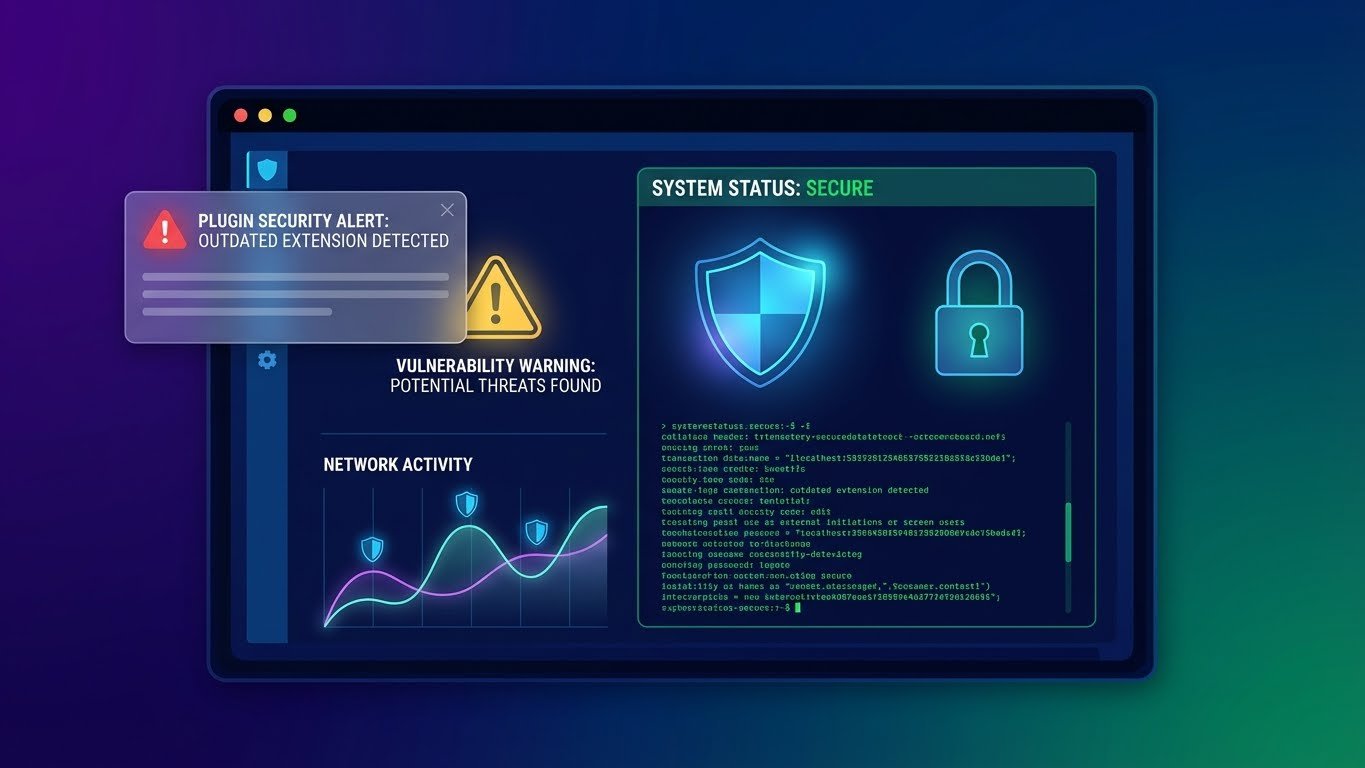 Security should be your first priority. A code audit checks for outdated frameworks, unpatched plugins, hard-coded credentials, insecure scripts, and exposed admin routes. These weaknesses can put sensitive data at risk and threaten your customers’ trust.
2. Performance & Page Speed
Heavy JavaScript files, oversized images, and inefficient CSS all slow your site down. A code audit identifies bottlenecks hurting your page speed and Core Web Vitals — key metrics that affect both SEO and user satisfaction.
3. SEO & HTML Structure
Clean HTML ensures search engines can effectively read and index your pages. A code audit highlights missing meta descriptions, improper heading structures, broken internal links, and missing alt attributes that could harm SEO.
4. User Experience & Accessibility
Accessibility issues — low contrast, missing ARIA labels, and hard-to-read text — make your site harder for users to navigate. Audits help ensure your website is inclusive, intuitive, and comfortable for all visitors.
Benefits of a Website Code Audit
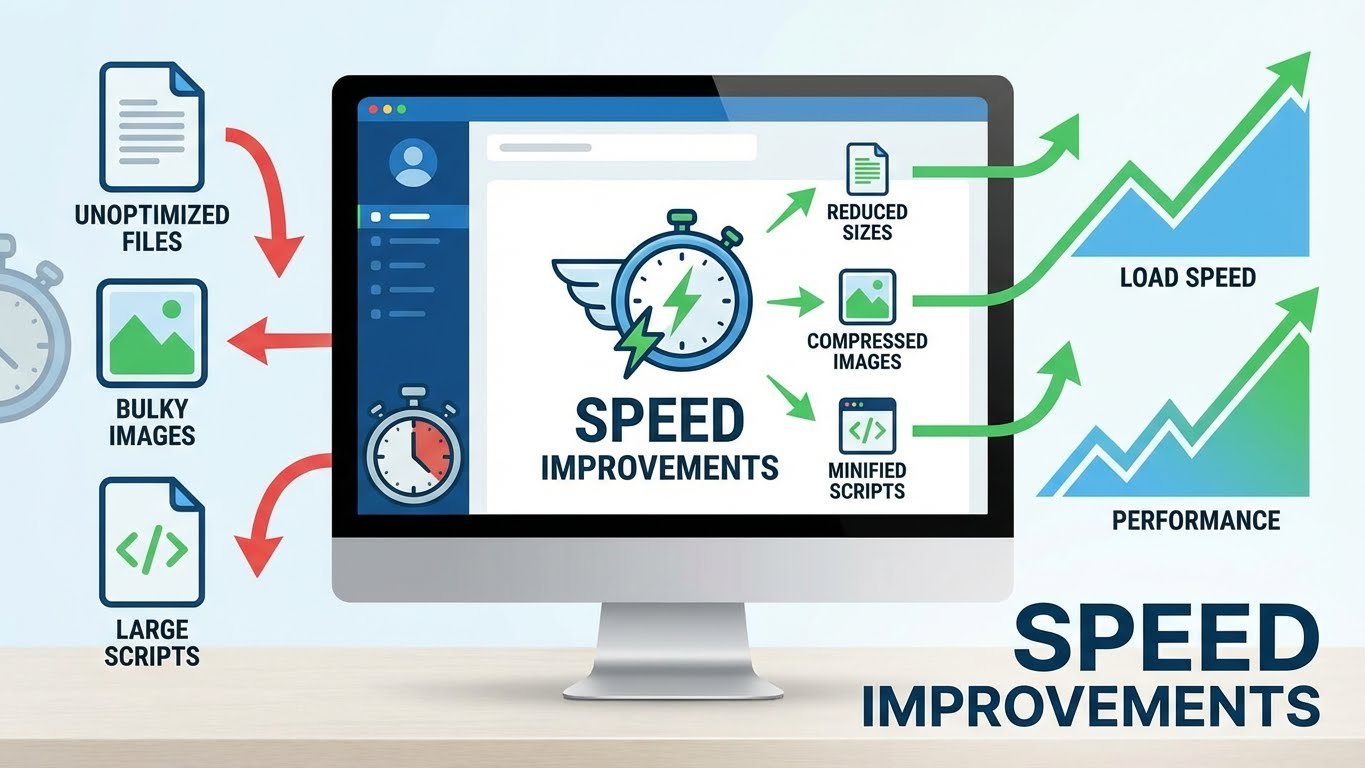 A code audit doesn’t just highlight issues — it gives you a clear strategy for improvement. Businesses often see immediate gains in SEO performance, speed, and customer engagement once audit recommendations are applied.
- Cleaner code that is easier to maintain and scale.
- Higher SEO visibility from better site structure.
- Fewer bugs and broken elements affecting UX.
- Improved security with proactive fixes.
- Better mobile performance with optimised code.
Why Regular Code Audits Matter

A one-time audit is useful, but recurring audits — monthly or quarterly — provide long-term stability. Regular analysis prevents issues from building up and keeps your website competitive and secure.
- Catch vulnerabilities before attackers or customers notice.
- Maintain strong SEO through consistent technical optimisation.
- Prevent slowdowns caused by outdated files or scripts.
- Avoid expensive fixes caused by years of ignored technical debt.
Final Thoughts
A website code audit gives you control, clarity, and confidence in your online presence. By uncovering hidden problems early, you protect your business from performance losses, technical failures, and security risks — ensuring your site stays fast, stable, and ready to scale.
If you want a professional, easy-to-understand code audit for your business, Nexus Dev Studio can provide a complete report highlighting issues and delivering a roadmap for stronger speed, SEO, and security.


