


A website may look professional on the outside, but beneath the design, hidden technical issues can quietly weaken your SEO, slow down your pages, and expose your site to security risks. A technical website code audit is the fastest way to identify these problems and bring your site back to top performance.
Over time, code becomes outdated, bloated, or misconfigured — especially as new features, plugins, and scripts are added. A code audit gives you a clear breakdown of what needs fixing, why it matters, and how it affects your rankings, speed, and overall user experience.
What Is a Website Code Audit?
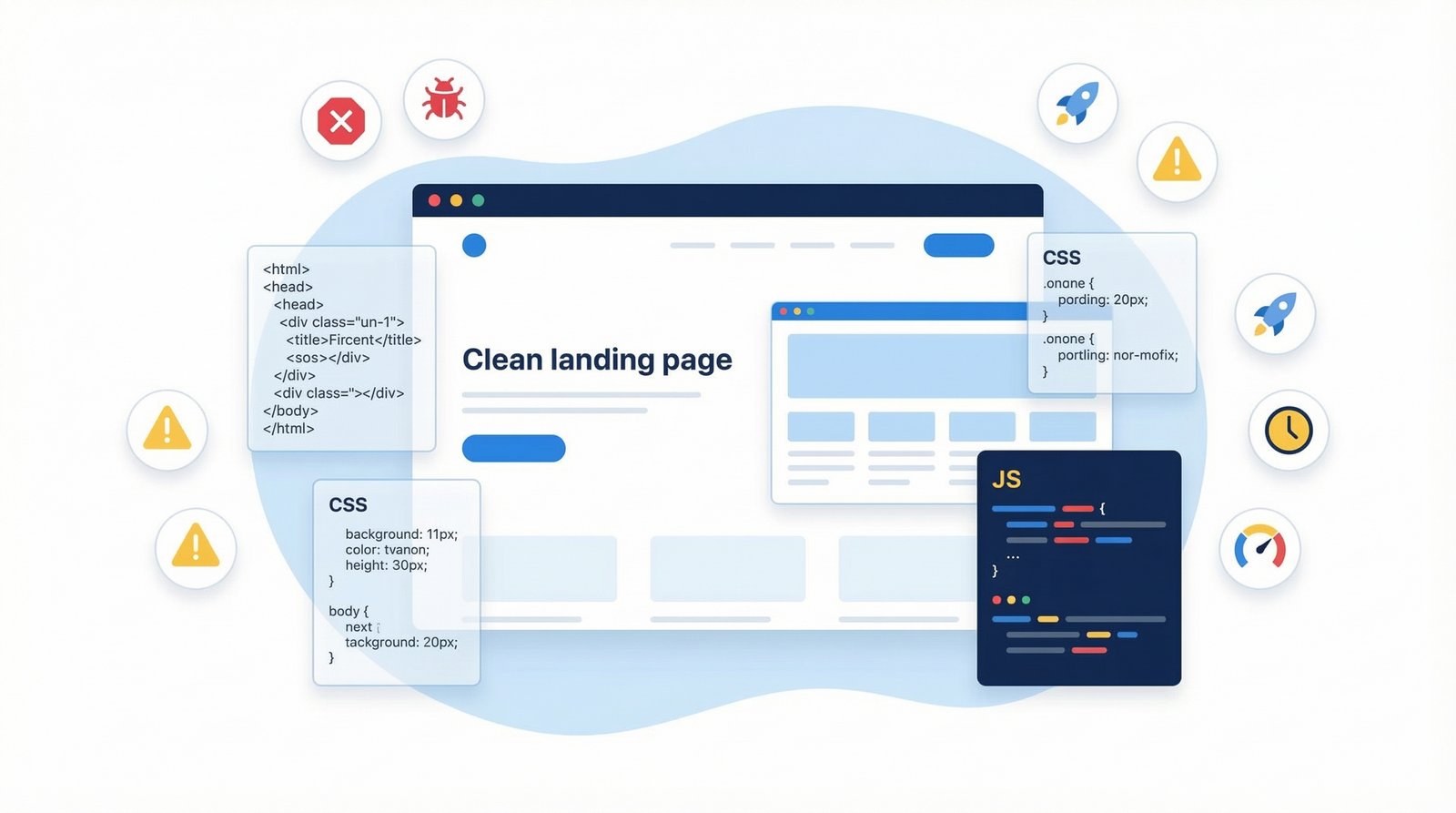 A website code audit is a detailed review of the HTML, CSS, JavaScript, and server-side configurations powering your site. The aim is to uncover errors, performance bottlenecks, and security vulnerabilities that slow down your SEO or disrupt user experience.
- Broken or inefficient code structures
- Unused CSS and heavy JavaScript files
- Duplicate content or missing metadata
- Security flaws in plugins or scripts
- Indexing or crawlability issues
Why Code Audits Matter for Website Performance
 Search engines reward clean, fast, and stable websites. When your codebase becomes slow or outdated, performance drops, bounce rates increase, and your rankings suffer. A code audit protects your visibility and ensures your website runs at optimal speed.
- Better SEO: cleaner markup improves how search engines crawl your site.
- Faster loading times: optimised scripts reduce delays.
- Improved security: outdated code is replaced before it becomes a risk.
- Higher conversions: stable code builds trust and improves user flow.
What a Code Audit Typically Checks
1. Code Quality & Structure
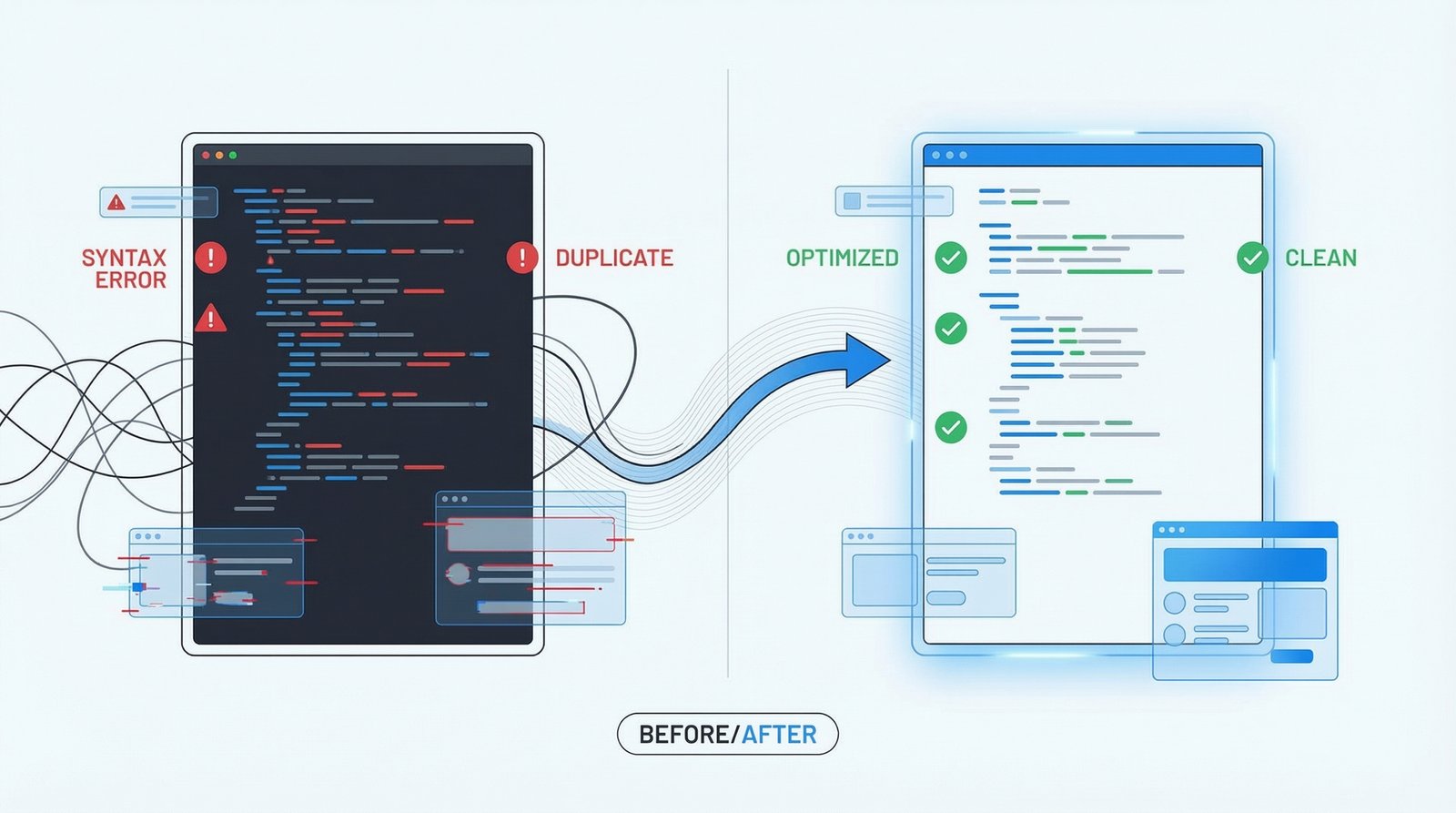 Poorly structured code can trigger layout issues, script conflicts, or unpredictable behaviour. The audit checks for duplicated code, outdated libraries, and validation errors hurting performance.
2. Page Speed & Core Web Vitals
Large images, render-blocking scripts, and unused CSS slow down loading times. An audit highlights what needs compression, deferring, or removal to meet Google’s Core Web Vitals.
3. SEO Structure & Metadata
Missing titles, poorly structured headings, broken internal links, and thin content all reduce search visibility. A code audit ensures your foundation supports strong SEO performance.
4. Security Weak Points
Outdated scripts, insecure forms, and deprecated plugins are common vulnerabilities. Audits reveal weaknesses before they become threats, ensuring your site remains safe and reliable.
Benefits of a Website Code Audit
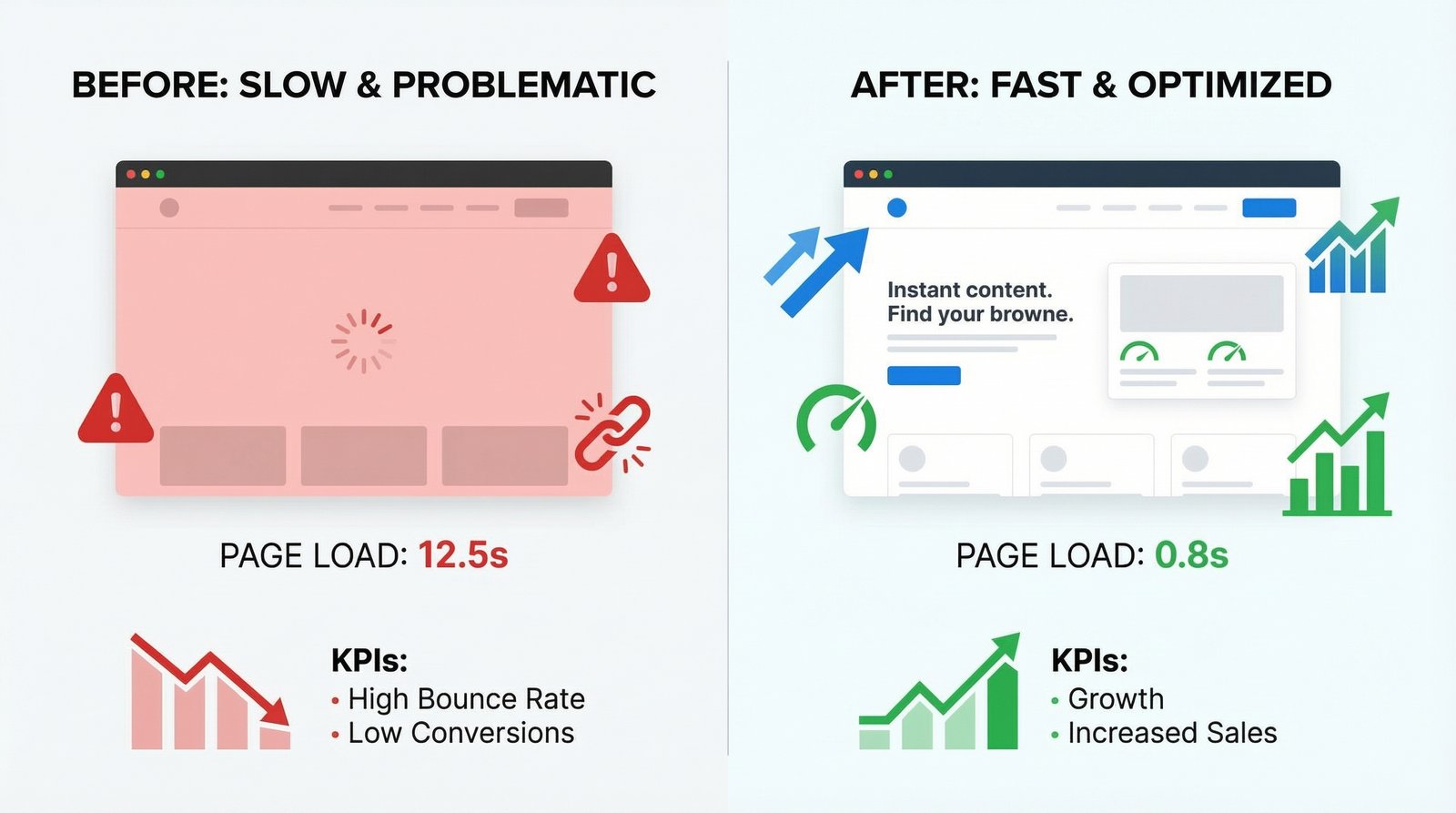 A thorough audit does more than fix errors — it helps your website scale smoothly, perform better in search engines, and deliver a high-quality user experience.
- Cleaner, maintainable codebase
- Higher search engine visibility
- Fewer bugs and loading issues
- Better mobile performance
- Reduced long-term development costs
Final Thoughts
A website code audit is one of the most effective ways to ensure your website remains fast, secure, and search-optimised. By detecting hidden issues early, you prevent long-term performance loss and keep your digital presence healthy as your business grows.
If you need a professional code audit with clear fixes and improvement recommendations, Nexus Dev Studio can help strengthen your website’s structure, performance, and security.


