

MR vs VR: Key Differences and When to Use Each
Immersive tech is everywhere right now, but the terms can get confusing fast. You hear people talk about VR headsets, MR headsets, the “metaverse,” and spatial computing as if they’re the same thing. They’re not. And understanding the difference between Mixed Reality (MR) and Virtual Reality (VR) is the first step to choosing the right tech for your project.
What Is VR (Virtual Reality)?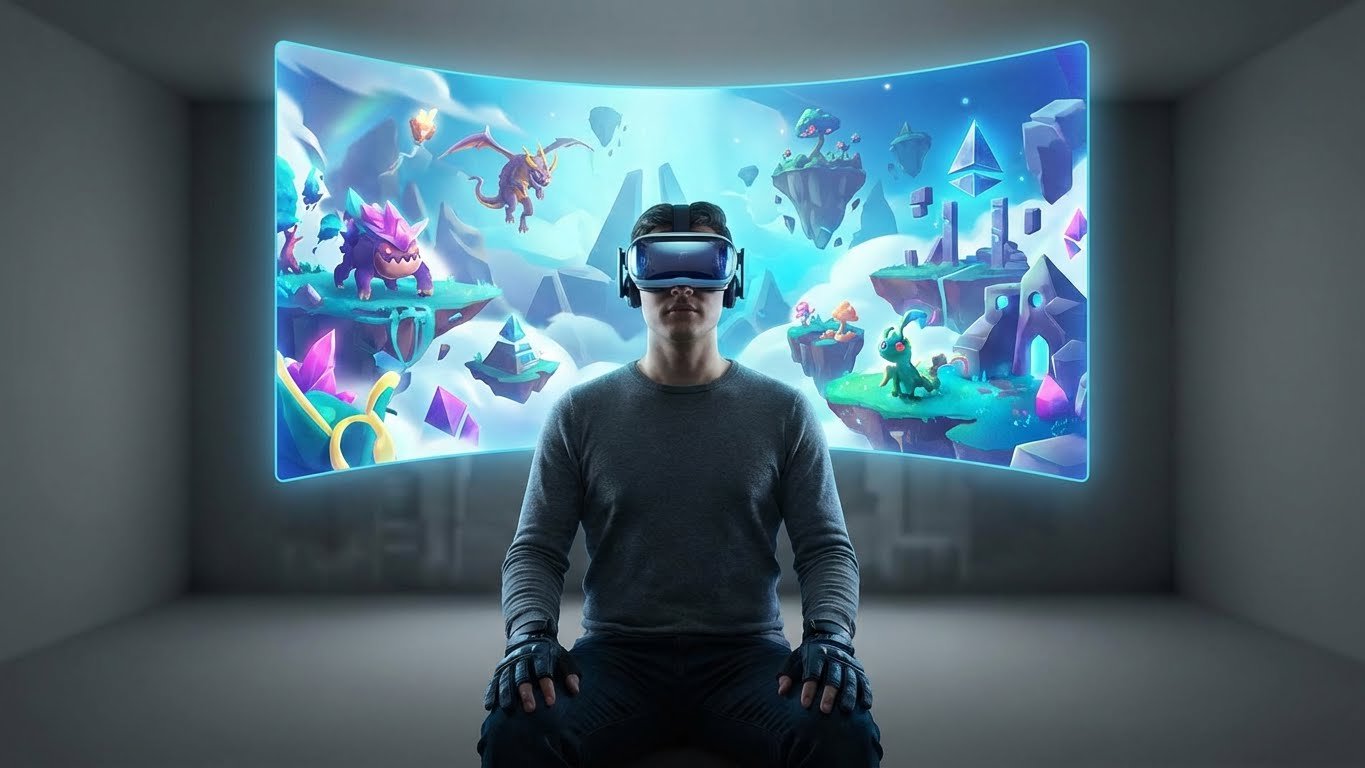
Virtual Reality puts you inside a fully digital environment. You wear a headset that blocks out the real world and shows a 3D virtual scene instead.
- Great for: gaming, simulations, virtual tours, story-driven experiences.
- Strengths: deep immersion, focus, controlled environments.
- Limitations: you can’t see your real surroundings, so movement and collaboration in physical spaces are restricted.
What Is MR (Mixed Reality)?
Mixed Reality blends digital objects with the real world. With an MR headset or spatial device, you still see your room, your desk, and your colleagues – but digital content is anchored into that space.
MR vs VR: When Should You Use Each?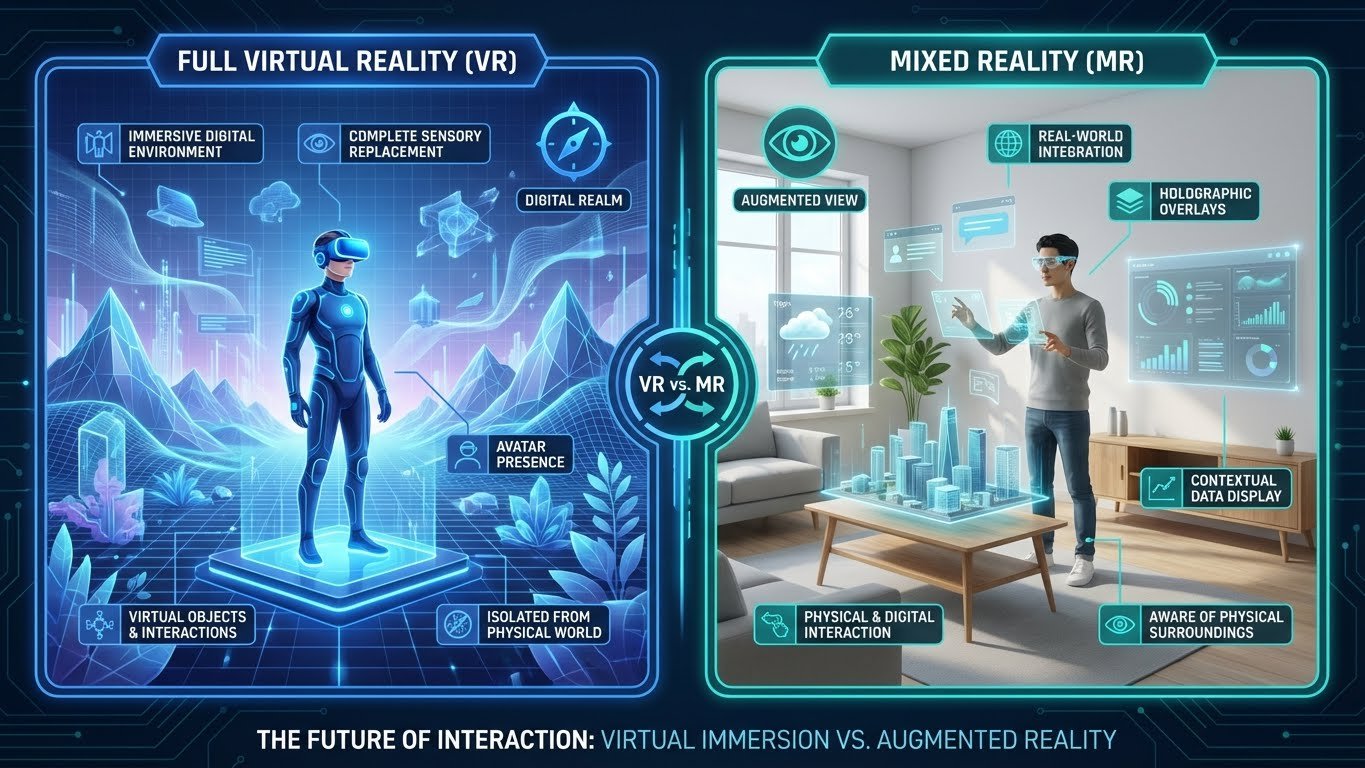
Choose VR When…
You want users to focus on a single, fully controlled environment. Examples include:
- Flight or driving simulators.
- Cinematic story experiences or games.
- Virtual showrooms where the real-world context doesn’t matter.
Choose MR When…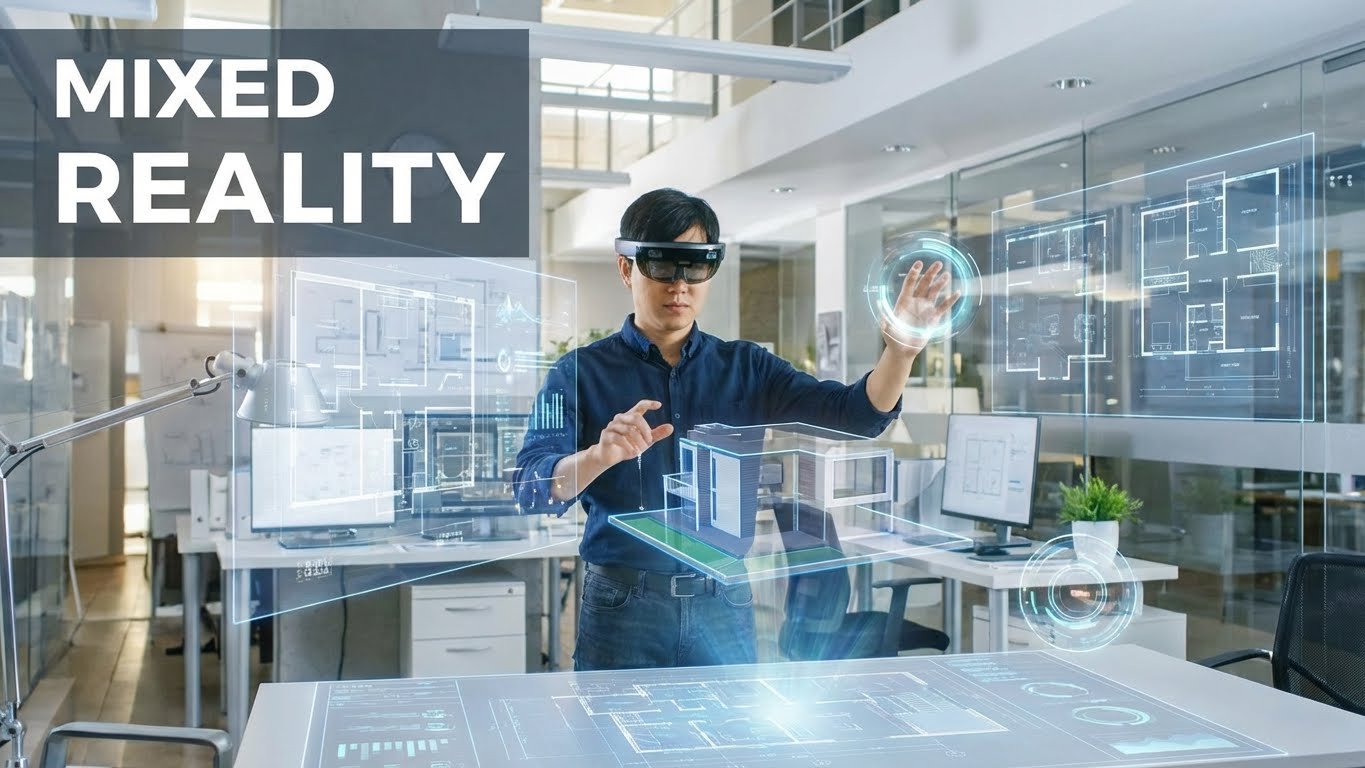
The real environment is part of the experience. MR is a better fit when you need:
- Technicians to see step-by-step instructions overlaid on real machinery.
- Architects to walk through a building while seeing 3D models aligned with the physical site.
- Teams to collaborate around the same holographic object while still seeing each other.
Bringing MR and VR Together
MR and VR are not enemies. Many companies start with VR for training or prototypes and then move into MR once they need content anchored to the real world. Thinking in terms of context helps: if context is virtual, choose VR; if context is the real world, lean into MR.


