

Traditional training methods struggle to prepare teams for complex, high-risk, or fast-changing environments. Slides, videos, and classroom instruction often fail to replicate real-world pressure or decision-making. Immersive training using VR, MR, and XR is transforming how organisations train people — allowing learners to practise, fail safely, and build confidence before facing real-world scenarios.
As adoption grows, organisations are increasingly seeking VR and XR development agencies specialising in immersive training solutions — not generalist VR studios. The difference lies in designing experiences that deliver measurable performance improvement, not just impressive visuals.
What Defines an Immersive Training Specialist?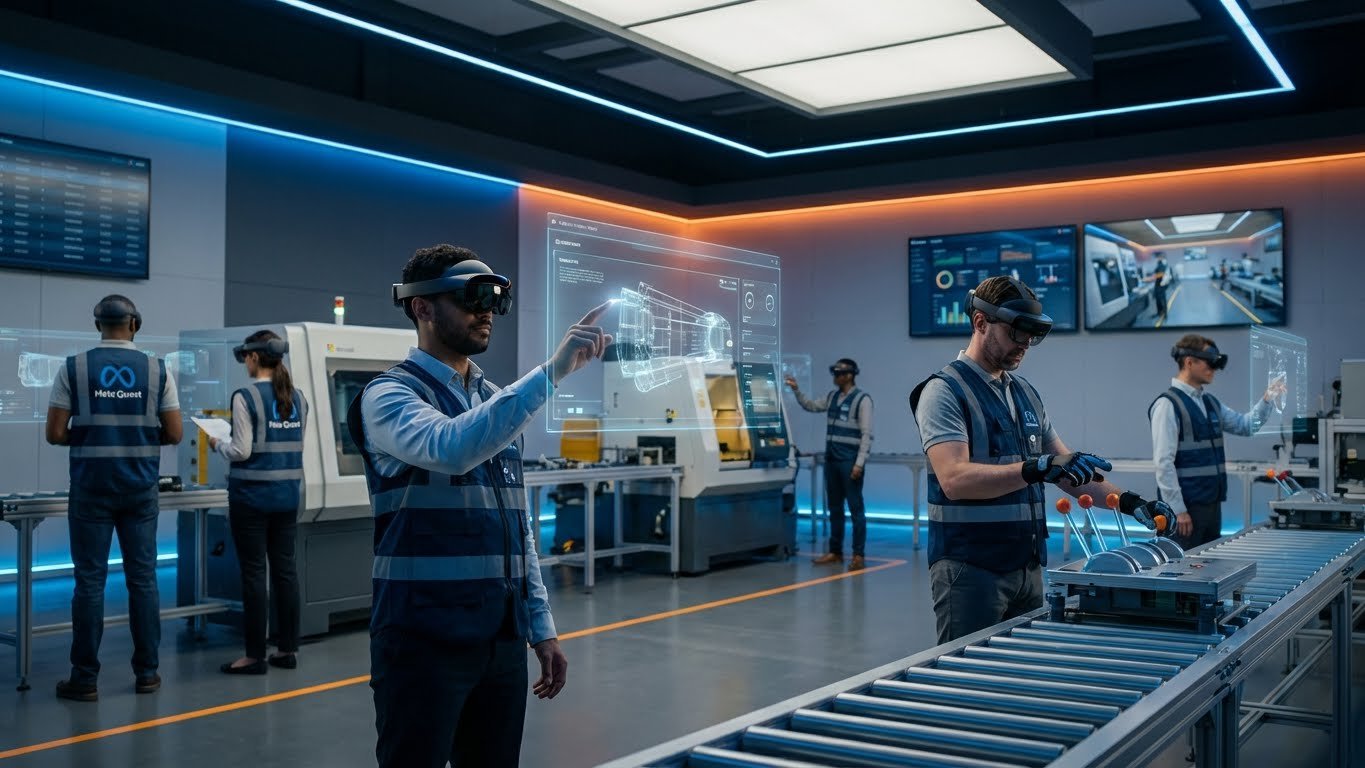
Immersive training sits at the intersection of technology, human behaviour, and learning design. A specialist XR training agency begins every project by understanding job roles, workflows, and risk points — ensuring the experience supports real operational outcomes.
Rather than leading with technology, effective agencies focus on learning objectives, assessment criteria, and how success will be measured once the training is deployed.
Training-Led Design vs Tech-First VR
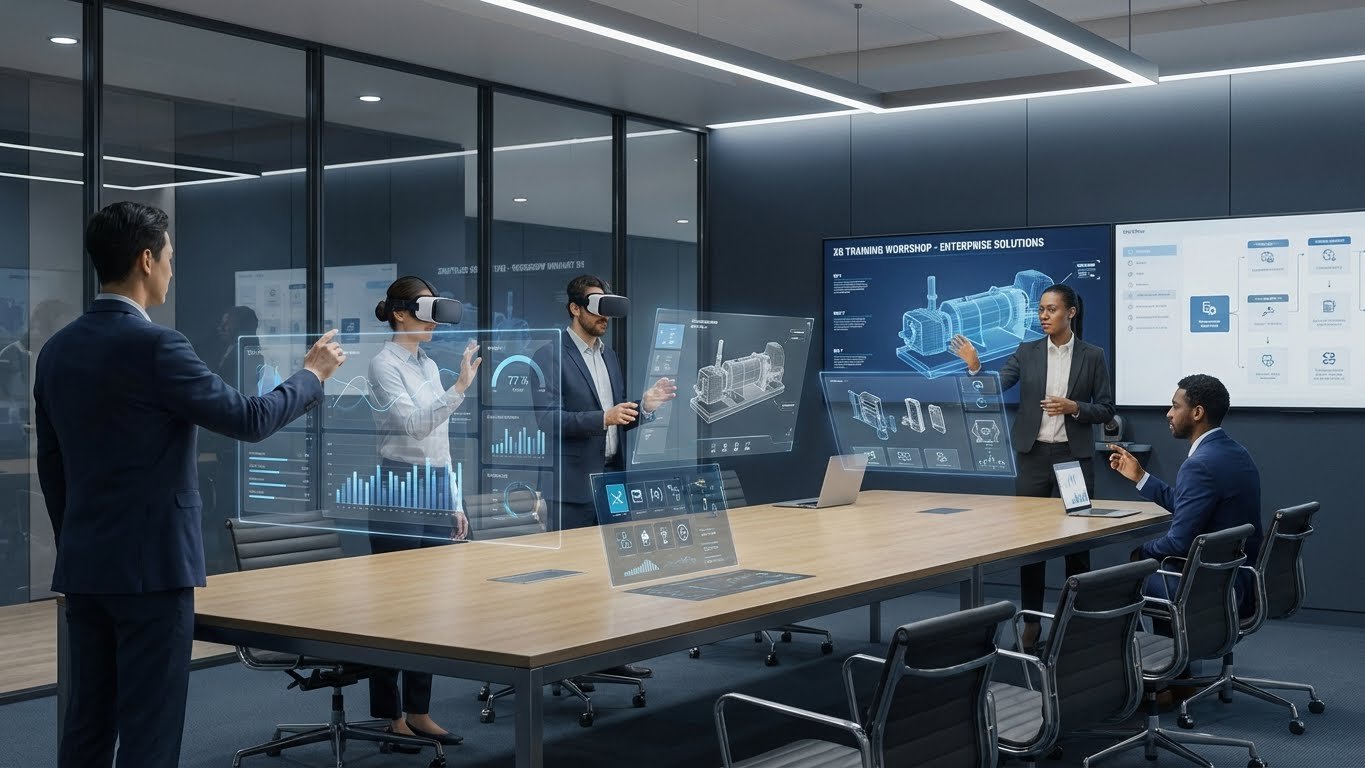 Many VR projects fail because they prioritise novelty over function. In immersive training, design decisions must support learning transfer — ensuring skills practised in VR carry over into real-world performance.
- Training-led VR focuses on decision-making and muscle memory.
- Interactions are designed to mirror real tools and processes.
- Assessment and feedback are built into the experience.
Where Immersive Training Delivers the Highest Impact
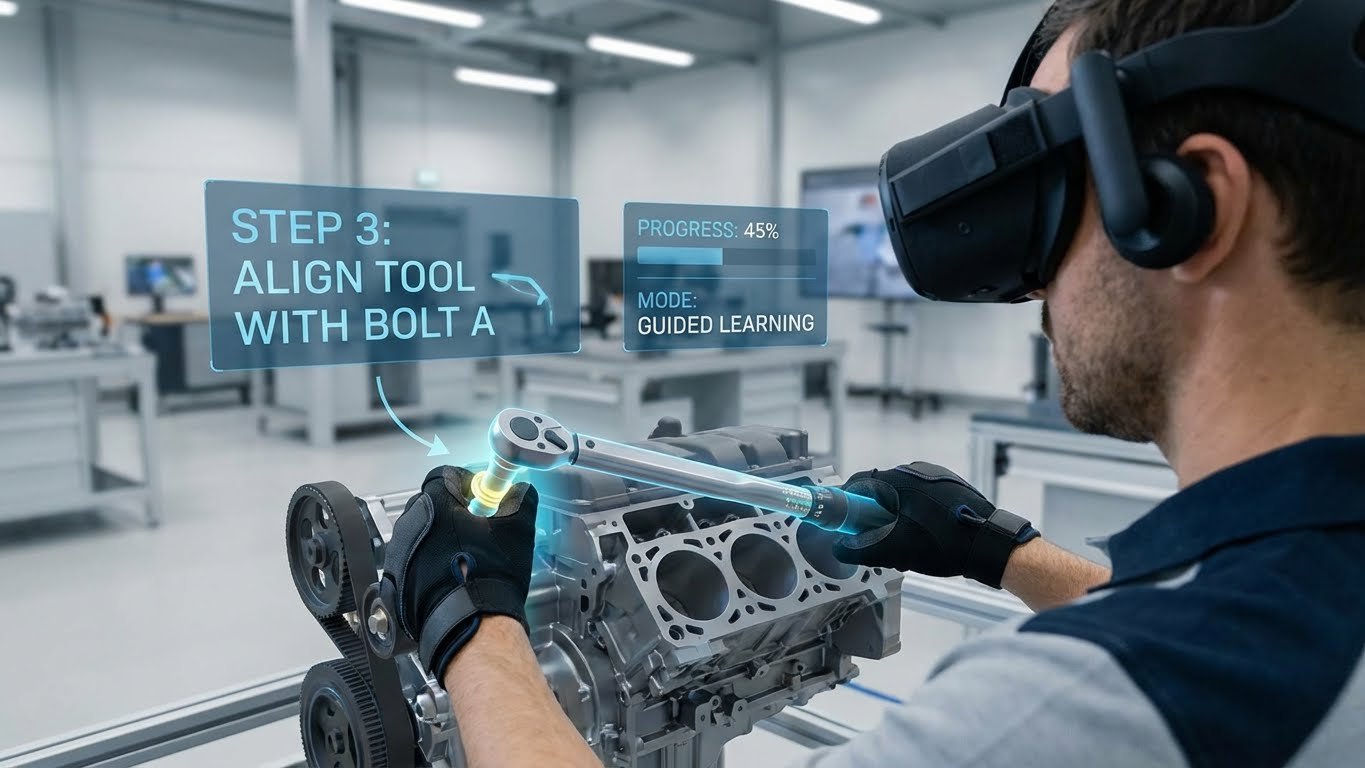 Immersive training solutions deliver the strongest return where real-world mistakes are costly, dangerous, or difficult to simulate. By allowing repeated practice in a safe environment, organisations reduce risk while accelerating competence.
- Safety and compliance training
- Equipment operation and maintenance
- Onboarding and role familiarisation
- Customer service and soft skills training
- Remote and multi-site workforce training
VR, MR, and XR: Choosing the Right Approach
VR, MR, and XR each serve different training needs. Virtual Reality is ideal for full simulation and hazard training, while Mixed Reality allows learners to interact with both digital and physical environments. XR strategies combine these approaches to create flexible training ecosystems.
A specialist agency helps organisations select the right technology based on context, cost, scalability, and long-term training goals.
Why Nexus Dev Studio?
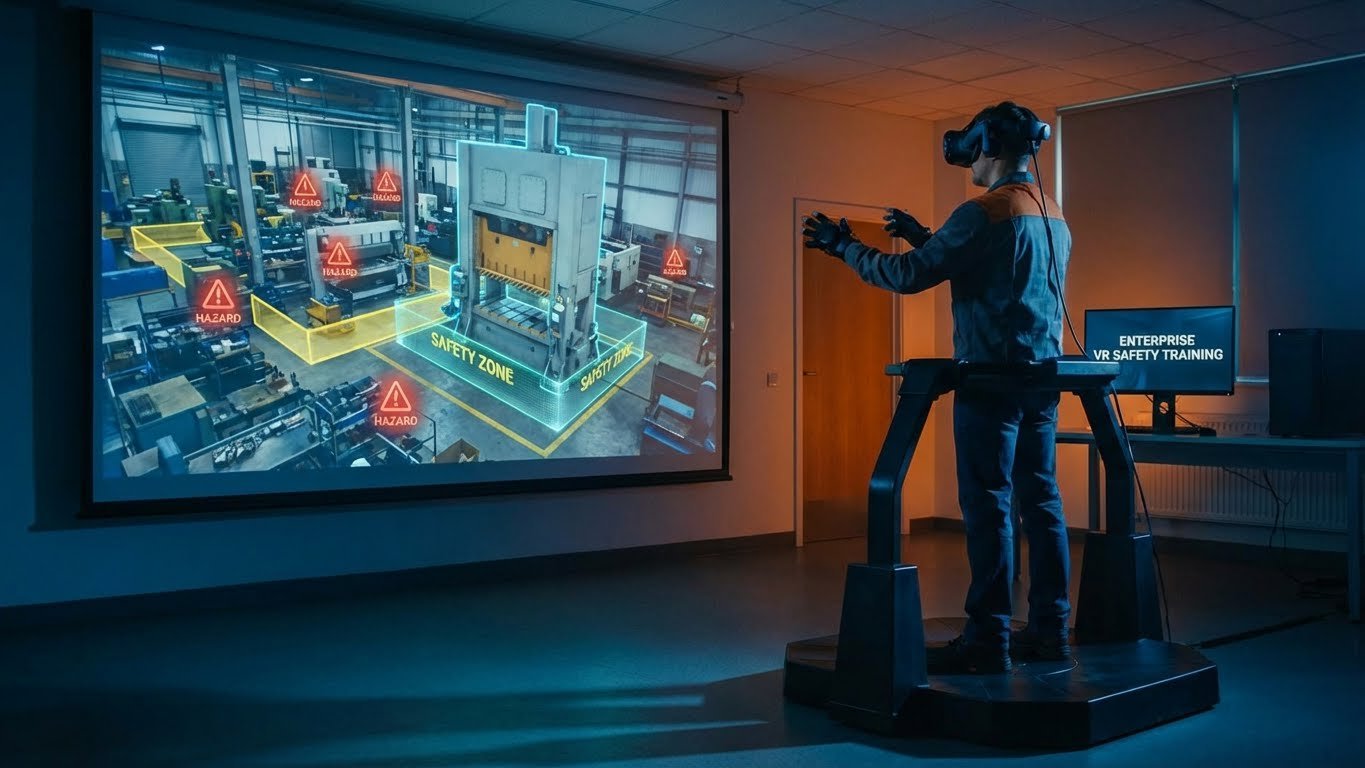
Nexus Dev Studio designs and develops immersive VR, MR, and XR training solutions built for real-world performance. We combine technical development with learning design and digital marketing expertise — ensuring immersive training solutions are adopted, used, and scaled successfully.
Our work includes scenario-based simulations, interactive training modules, and scalable XR platforms aligned with real operational workflows.
Beyond Development: Adoption and Impact
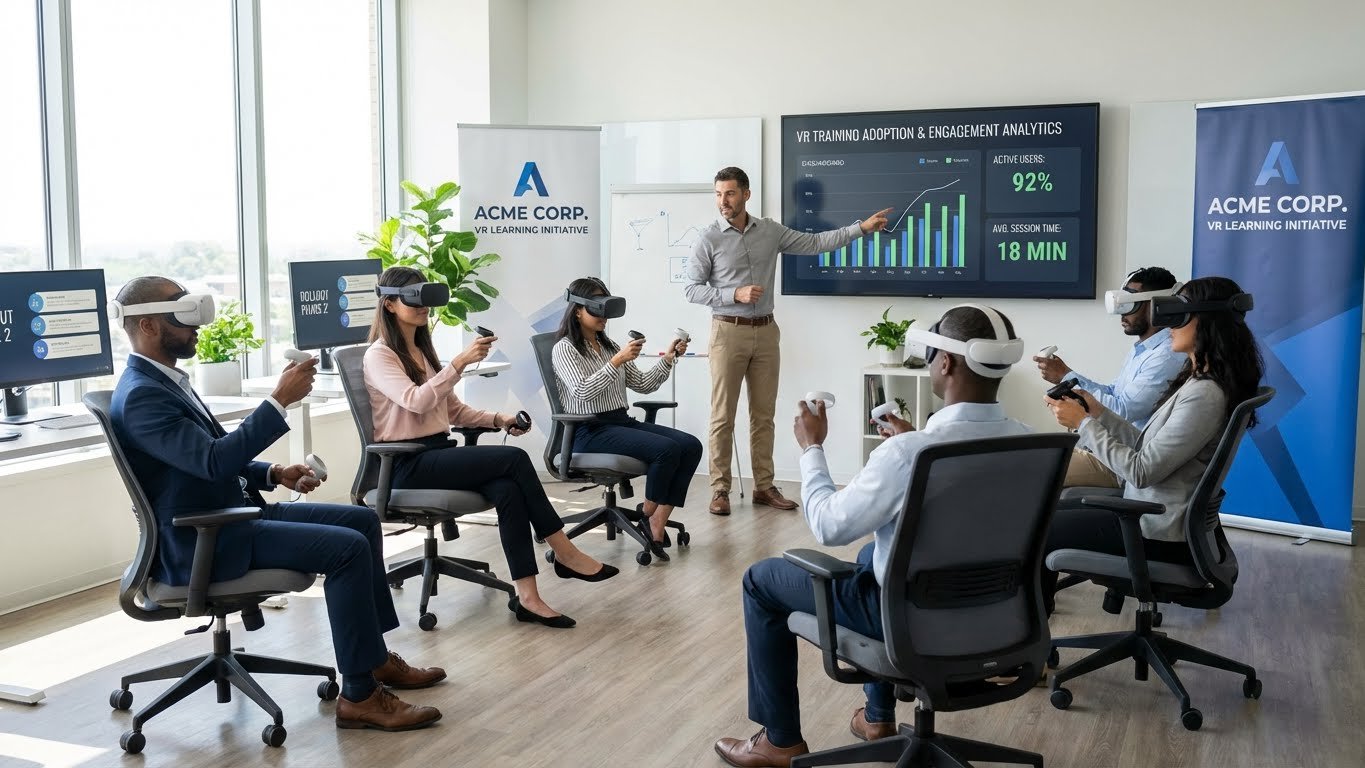 Many immersive training initiatives fail due to poor rollout, not poor technology. As both developers and marketers, we help organisations communicate value, secure stakeholder buy-in, and drive learner engagement.
This ensures immersive training programmes become embedded in everyday operations — not shelved after launch.
Learn More
To explore how immersive VR, MR, and XR training solutions can work for your organisation, visit: Nexus Dev Studio
Final Thoughts
Immersive training is no longer experimental — it is a practical, scalable solution for modern workforce development. By partnering with a VR and XR development agency that understands training, organisations can improve safety, consistency, and performance while reducing long-term training costs.


